Business Professional Attire: A Clear Guide for Everyone
Business professional attire explained: how it differs from business casual, what to wear for any gender, and advice on fit, color, shoes and interviews.
By the Beauty Sassy editors6 min read
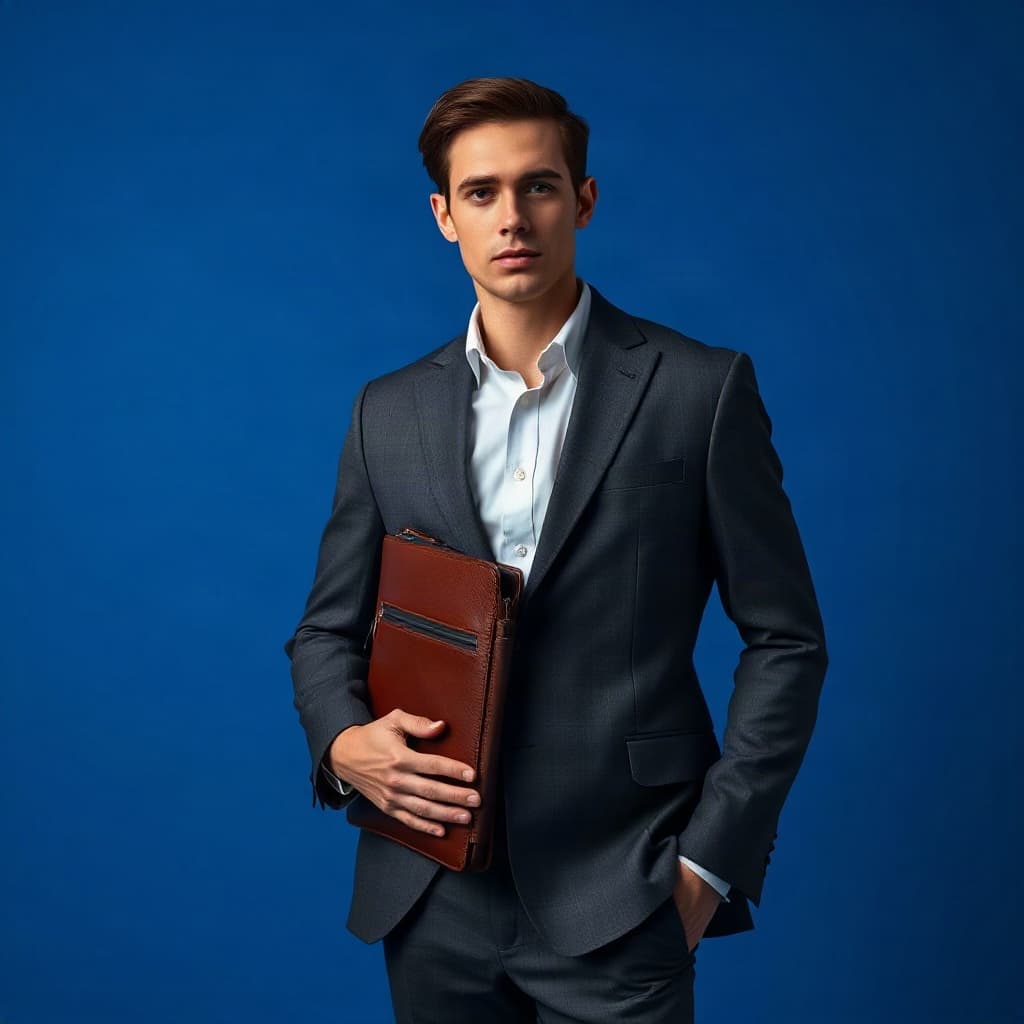
Business professional attire is the polished, conservative dress code most offices mean when they ask you to dress professionally: a tailored suit or matching separates, a collared shirt or refined blouse, closed-toe leather shoes and neat grooming. It sits one step above business casual and one step below business formal. When you are unsure what a workplace expects, it is the safest respectful choice.
Business professional vs business casual vs business formal
Think of workplace dress codes as a ladder. Each rung adds structure, darker colors and fewer choices. Knowing where business professional sits helps you read an invitation, a job listing or an offer letter correctly.
- Business casual: Chinos or tailored trousers, knit polos, sweaters, simple dresses, and loafers or clean leather sneakers in some offices. A jacket is optional. Ties are rare.
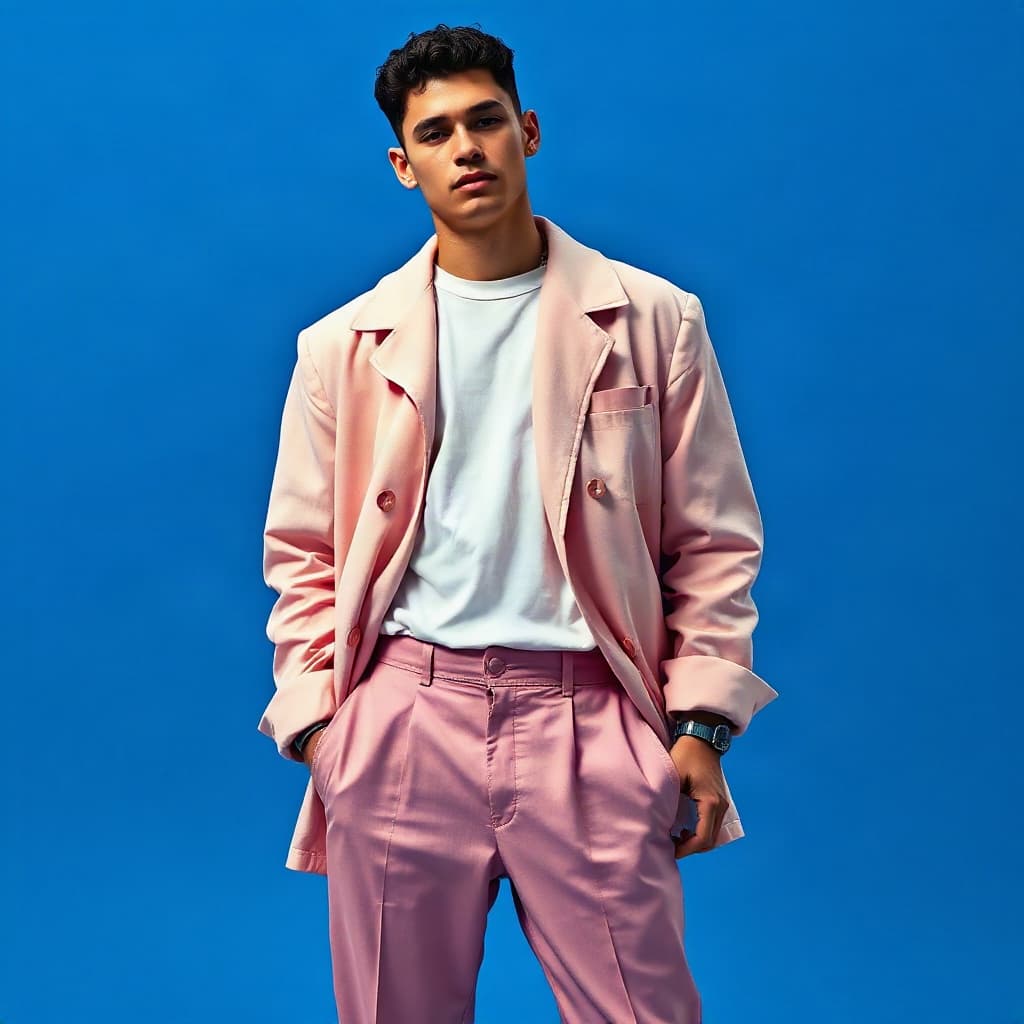
- Business professional: A suit, or a blazer with matching or coordinating trousers or a skirt. A collared shirt or a smooth blouse. Leather shoes. A tie is expected for men in traditional offices and optional in many modern ones.
- Business formal: The top of the ladder. Dark suits, white shirts, silk ties and polished oxfords. For evening events the code may shift to black tie. You will see it at board meetings, galas and some legal or diplomatic settings.
Fields that tend to default to business professional include law, finance, banking, government, consulting and client-facing sales. Many tech and creative workplaces are more relaxed day to day, then expect business professional for interviews, client pitches and conferences.
What to wear: women, men and gender-neutral options
The dress code is the same for everyone at heart: structured tailoring, quiet colors, real shoes. How you build it can vary.
Business professional attire for women
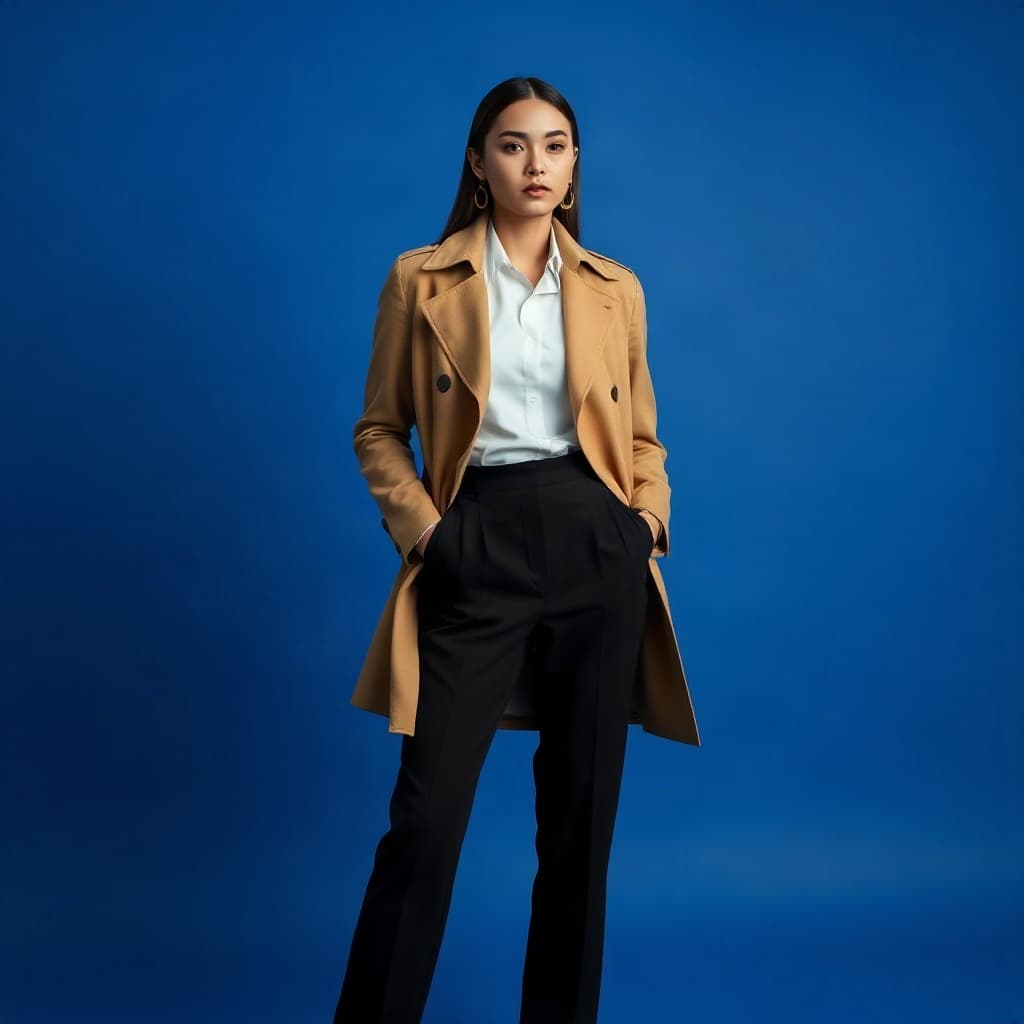
- A skirt suit or pantsuit in navy, charcoal, black, gray or a muted camel.
- Skirts that land around the knee and stay comfortable when you sit. Test this in the fitting room.
- Blouses in silk, crepe or fine cotton, or a thin knit shell under a blazer. Avoid sheer fabrics and deep necklines.
- A sheath dress with a tailored jacket, which counts as a suit in most offices.
- Hosiery depends on the office and the climate. Conservative workplaces still prefer it with skirts; many others no longer notice.
- Pumps with a modest heel, loafers or polished flats. Closed toes are the norm.
Business professional attire for men
- A two-piece suit in navy or charcoal. These two colors work almost everywhere and make the best first purchases.
- A dress shirt in white or light blue, with a collar that closes without pulling.
- A tie in silk or fine wool, in a subdued pattern. The tip should touch the top of your belt buckle.
- Leather oxfords or derbies in black or dark brown, with a matching belt.
- Dark dress socks long enough that no skin shows when you sit.
Gender-neutral and flexible options
Business professional does not require a skirt or a tie. A well-cut trouser suit works for any gender, with a crisp shirt buttoned to the collar, a fine-gauge knit or a band-collar shirt underneath. Pair it with leather loafers, derbies or low block-heel boots. If a tie does not feel like you, a fully buttoned collar or a neat high-neck knit carries the same formality. The rule that matters is consistency. Matching or tonal pieces, clean lines and good fabric read as professional on everyone.
Fit, colors and fabrics that look professional
Fit does more work than price. An inexpensive suit tailored to your body will look better than a costly one that hangs off you. Check these points in the mirror:
- Shoulders: The jacket seam should end where your shoulder ends. Shoulders are the hardest part to alter, so get them right when you buy.
- Jacket: It should button without the fabric pulling into an X shape across your middle.
- Sleeves: Let a little shirt cuff, roughly a quarter to half an inch, show past the jacket sleeve.
- Trousers: A clean line from hip to shoe, with a slight break or none at all at the hem.
- Skirts and dresses: No riding up when you sit and no pulling across the hips.
For color, build around navy, charcoal, gray, black and soft neutrals. Then add interest with shirts and blouses in white, pale blue, blush, cream or fine stripes. Fabric matters as much as color. Wool and wool blends breathe, drape well and resist wrinkles, which is why they remain the standard for suiting. In hot climates, look for lighter weaves and half-lined jackets. If you want to understand why restraint reads as polished, our guide to what chic really means covers the same principles from a style angle.
Shoes, accessories and the details people notice
Shoes are where an otherwise sharp outfit often falls apart. Keep them polished, check the heels for wear and replace laces before they fray. Stick to leather or a good-quality leather alternative in black, brown, burgundy or navy.
Accessories should support the outfit, not compete with it.
- A simple watch, or none at all.
- Small earrings, a fine chain or a single ring rather than stacks.
- A structured bag or briefcase large enough to hold a laptop and documents flat.
- A belt that matches your shoes in color and finish.
- Glasses with clean frames. If you are choosing new ones, consider your face shape before you pick a style.
Keep pocket contents light so jackets and trousers hang smoothly. A phone, a slim card holder and keys are plenty.
Grooming for a business professional look
Grooming finishes the outfit. Hair should look intentional, from a fresh cut to neat braids, a low bun or a tidy natural style. Nails should be clean and even, and polish, if you wear it, should be unchipped. Facial hair should be trimmed with clean edges, or shaved close.
Makeup, if you wear it, works best when it looks like a well-rested version of you: even skin, groomed brows, defined lashes and a lip color close to your natural tone. Our roundup of everyday makeup looks includes several office-friendly options.
Fragrance should be noticed only by people standing close to you. One or two sprays is enough. Lighter, fresher scents tend to suit shared spaces better than heavy evening fragrances. For ideas, browse our picks of the best perfume for women and the best perfume for men.
How to dress business professional for an interview
- Research the company. Look at its website, social channels and team photos. Then dress one level above what employees wear day to day.
- When in doubt, wear a suit. You are rarely penalized for being slightly too formal, and often noticed for being too casual.
- Try the full outfit on a few days ahead. Sit, walk and lift your arms. Fix loose buttons, fallen hems and lint now, not on the morning.
- Choose comfort you can forget about. Shoes you have already broken in, a waistband that does not dig, a collar that does not choke.
- Keep it quiet. Interviewers should remember what you said, not your tie or your earrings.
- Dress fully for video interviews. That includes trousers. Solid, mid-tone colors tend to look better on camera than tight stripes or bright white.
Pack a lint roller and a spare pair of tights or socks in your bag. These small fixes take seconds and save a lot of worry in the lobby.
Questions people ask
Is a blazer and trousers considered business professional?
Yes, if the pieces are tailored and coordinate in color and fabric. A navy blazer with charcoal wool trousers, a collared shirt and leather shoes meets the code in most offices. Chinos with a casual blazer lean toward business casual.
Can you wear a dress for business professional?
Yes. A tailored sheath or wrap dress in a solid, conservative color, at or near knee length, works on its own in many offices and always works with a matching jacket.
Do men have to wear a tie for business professional?
In traditional fields such as law and banking, a tie is still expected. In many other offices, a suit with an open collar is accepted. For interviews, wear one unless you know the company culture well.
Are loafers business professional?
Leather loafers in a dark color are acceptable in most business professional settings. Suede and chunky, thick-soled styles lean more toward business casual.
Can business professional attire include color?
Yes, in moderation. Keep the suit or main pieces neutral and bring color through a blouse, shirt, tie or scarf. One colored piece reads as confident. Three reads as busy.
Liked this fashion story?
Get the next one first
One email a week: new stories and the few products worth buying.