Best Perfume for Women: How to Find the Scent for You
The best perfume for women is the one that suits your skin and life. Learn fragrance families, concentrations, notes, how to test, and how to make it last.
By the Beauty Sassy editors7 min read
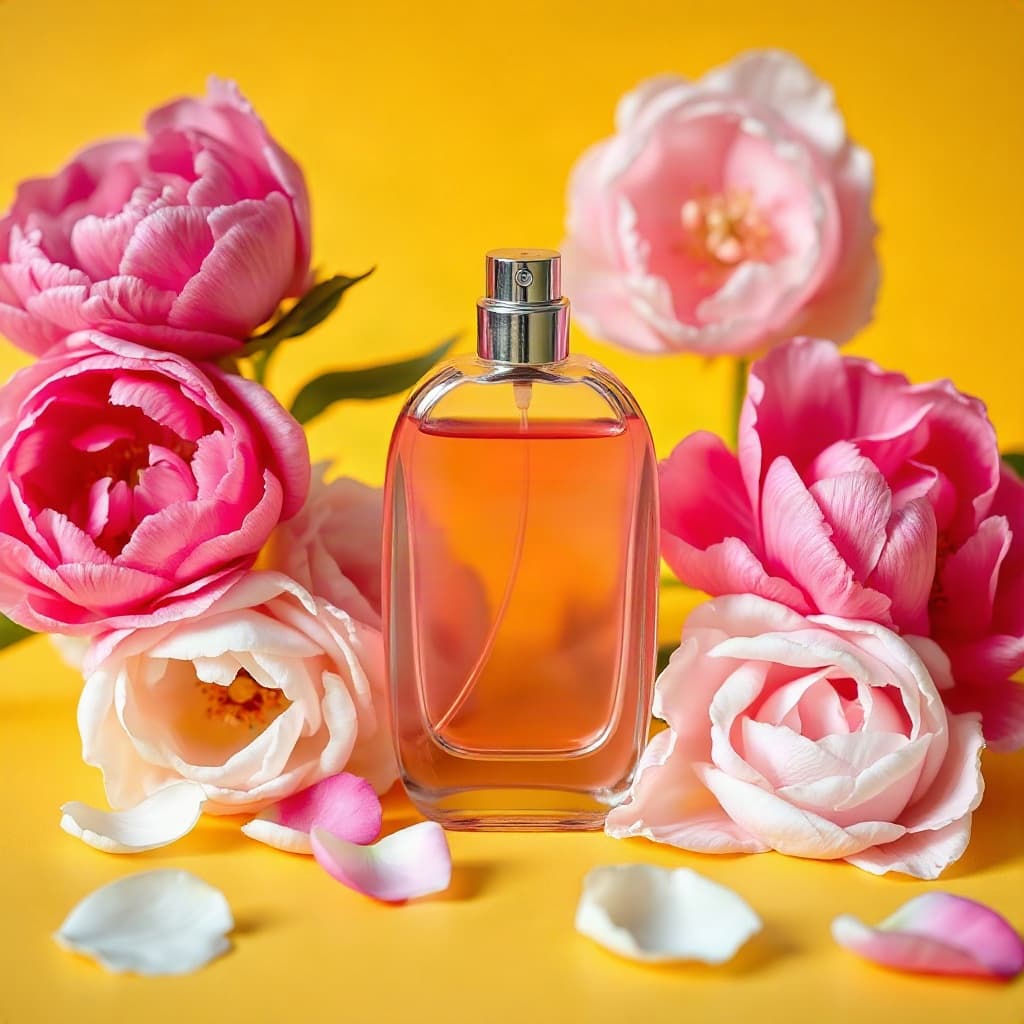
The best perfume for women is the one that smells right on your skin, suits the way you live, and still makes you happy hours after you spray it. You find it by learning which fragrance family you're drawn to, choosing a concentration that fits your day, and testing on skin rather than paper. Here's how to do each step well.
Start with the fragrance families
Perfumers sort scents into families. Knowing yours narrows a wall of bottles to a short list. Most people love one or two families and dislike at least one, so pay attention to what you reject as much as what you like.
- Floral. The largest family, built around flowers like rose, jasmine, tuberose, peony and lily of the valley. Soft florals feel clean and romantic. White florals are richer, creamier and more heady.
- Fresh and citrus. Bergamot, lemon, grapefruit, mandarin and neroli. Bright, crisp and easy to wear, though citrus notes tend to fade fastest.
- Gourmand. Edible notes such as vanilla, caramel, praline, coffee and tonka bean. Cozy and sweet, and often a favorite in cold weather.
- Woody. Sandalwood, cedar, vetiver and patchouli. Dry, warm and grounded. Woods also anchor many scents from other families.
- Amber (often called oriental). Resins, warm spices, vanilla and incense. Rich, enveloping and long-lasting. Many perfumers now prefer the word amber.
- Chypre. A classic structure of bright citrus on top, florals in the middle and a mossy, woody base. Polished and a little formal, with an earthy, slightly bitter finish.
- Green. Cut grass, crushed leaves, galbanum, fig leaf and tomato leaf. Sharp, natural and quietly unusual.
A quick shortcut: think about the smells you already enjoy in daily life. If you love walking past a bakery, start with gourmands. If you linger over fresh herbs or a garden after rain, try green and citrus. If you reach for candles with smoky or spicy notes, explore amber and woods.
Perfume concentrations: parfum, EDP, EDT and EDC
The name on the bottle tells you roughly how much perfume oil is in the formula. That affects strength, longevity and how far the scent travels from your skin. Exact amounts vary by brand, so treat these as general guides.
- Parfum (also called extrait). The most concentrated. It sits closer to the skin, lasts the longest, and a small amount goes a long way.
- Eau de parfum (EDP). Strong and long-wearing, with good projection. A popular choice for an everyday perfume that lasts from work to dinner.
- Eau de toilette (EDT). Lighter and brighter. Good for warm weather, offices and anyone who prefers a softer trail. Expect to reapply.
- Eau de cologne (EDC). The lightest. A fresh splash that fades fairly quickly, ideal after a shower or a workout.
The same perfume can smell noticeably different across concentrations. An EDT version may push the fresh top notes forward, while the EDP leans warmer and deeper. If you loved one version, test the other before assuming they're interchangeable.
Top, heart and base notes: why the drydown matters
Perfume unfolds in stages. The top notes are what you smell first, usually citrus, herbs or light fruit. They grab your attention and fade early. The heart notes, also called middle notes, appear as the top lifts. These are often florals or spices, and they give the fragrance its character. The base notes are the heaviest materials: woods, musks, amber, vanilla and resins. They emerge last and stay longest.
The final stage, once the brighter notes have faded, is called the drydown. This is the part you and the people around you live with for most of the day. It's also why so many perfume purchases go wrong. A scent that sparkles on the first sniff can settle into something you don't enjoy, and one that seemed flat on a paper strip can warm into something beautiful. Never decide on the opening alone.
How to test perfume on your skin
Your skin's warmth, oiliness and moisture all shape how a perfume develops, which is why the same fragrance can smell sweeter on a friend and sharper on you. Testing properly takes patience, but it saves you from a bottle you never wear.
- Arrive scent-free. Skip your usual perfume and heavily scented lotion that day so nothing competes.
- Edit on paper, decide on skin. Smell several options on test strips to rule out anything you dislike. Put only your top one or two choices on skin.
- Spray once on a pulse point. The inner wrist or inner elbow works well. Don't rub your wrists together. Friction warms the skin and rushes the top notes.
- Stop at three or four. After that your nose tires and everything starts to blur. Smelling a patch of unscented skin or your sleeve between tests can help reset.
- Wait several hours. Leave the store, go about your day, and smell your wrist now and then. Notice how it changes and how long it lasts.
- Ask for a sample. If you can, wear it on a few different days and in different settings before buying a full bottle.
Pay attention to how you feel, not only how it smells. The right perfume makes you feel more like yourself. If you keep noticing it in a distracting way, it may be too strong for daily wear or simply not right for you.
Choosing perfume by season and occasion
Heat and humidity make fragrance project more, while cold air mutes it. That's why one perfume can feel overpowering in July and barely there in January.
- Spring: soft florals, green notes and light musks.
- Summer: citrus, neroli, fresh watery accords and lighter concentrations like EDT.
- Fall: woods, chypres, spiced florals and gentle gourmands.
- Winter: amber, vanilla, resins and richer EDPs or parfums.
Occasion matters as much as weather. For the office, choose something that stays close to your skin and apply it lightly, since colleagues share your air for hours. A polished floral or soft woody scent sits naturally alongside business professional attire. For evenings and special events you can go deeper and a little bolder. Many women end up with a small wardrobe: one fresh option, one everyday favorite and one for nights out. Finding a signature scent is lovely, but you don't have to wear the same thing every day.
How to make your perfume last longer
Fragrance clings best to moisturized skin. Dry skin has less to hold onto, so scent evaporates faster. If your skin runs dry, a better routine helps both your complexion and your perfume, and our guide to dry skin treatment covers the basics.
- Apply after a shower, once skin is dry but still soft, over an unscented moisturizer.
- Spray pulse points: wrists, inner elbows, the base of the throat and behind the knees. Warmth helps the scent radiate.
- Mist your hair lightly from a distance, or spray your hairbrush first. Hair holds fragrance well, but alcohol can be drying, so go easy.
- Spray clothing with care. Fabric holds scent for a long time, but some perfumes can mark silk or pale materials. Test an inside seam first.
- Store bottles away from heat, sunlight and humidity. A steamy bathroom shelf is one of the worst places. A drawer, a closet or a shaded makeup vanity away from the window is far better.
If you layer skincare in the morning, apply perfume last, once everything has absorbed. Our guide on how to layer skincare explains the order. And don't limit yourself to one side of the counter. Plenty of women love woody and aromatic scents marketed to men, and our guide to the best perfume for men walks through those families.
Questions people ask
What is the most attractive perfume for women?
There's no single answer, because attraction to scent is personal. Choose a fragrance you genuinely enjoy and wear it with a light hand. A scent that suits your skin and makes you feel confident comes across better than anything chosen to impress.
Why can't I smell my own perfume after a while?
Your nose adapts to familiar smells and stops registering them. Other people can usually still smell it. Resist the urge to keep reapplying, or you may end up wearing far more than you intend.
How many sprays of perfume should I use?
Start with one to three sprays, depending on the concentration and the setting. Use fewer for a parfum or a small office, more for a light EDT. Ask someone you trust if it's too much.
Does perfume expire?
Perfume can change over time, especially when exposed to heat, light and air. Warning signs include a sour or flat opening and a noticeably darker color. Stored well, many bottles stay true for years.
Can I wear two perfumes at once?
Yes. Layering is a simple way to create something personal. Pair scents that share a note, or wear a simple musk or vanilla under a brighter floral or citrus. Test the combination at home before wearing it out.
Liked this lifestyle story?
Get the next one first
One email a week: new stories and the few products worth buying.