Best Wrinkle Cream: 5 Picks With Retinol, Peptides and Q10
The best wrinkle cream depends on whether your skin can take retinol. Five picks by need, plus how to choose, use and stay safe with one.
By the Beauty Sassy editors3 min read
This story contains affiliate links. If you buy through them we may earn a commission, at no extra cost to you. How we choose
Our picks
1. Dry, aging skin
Olay
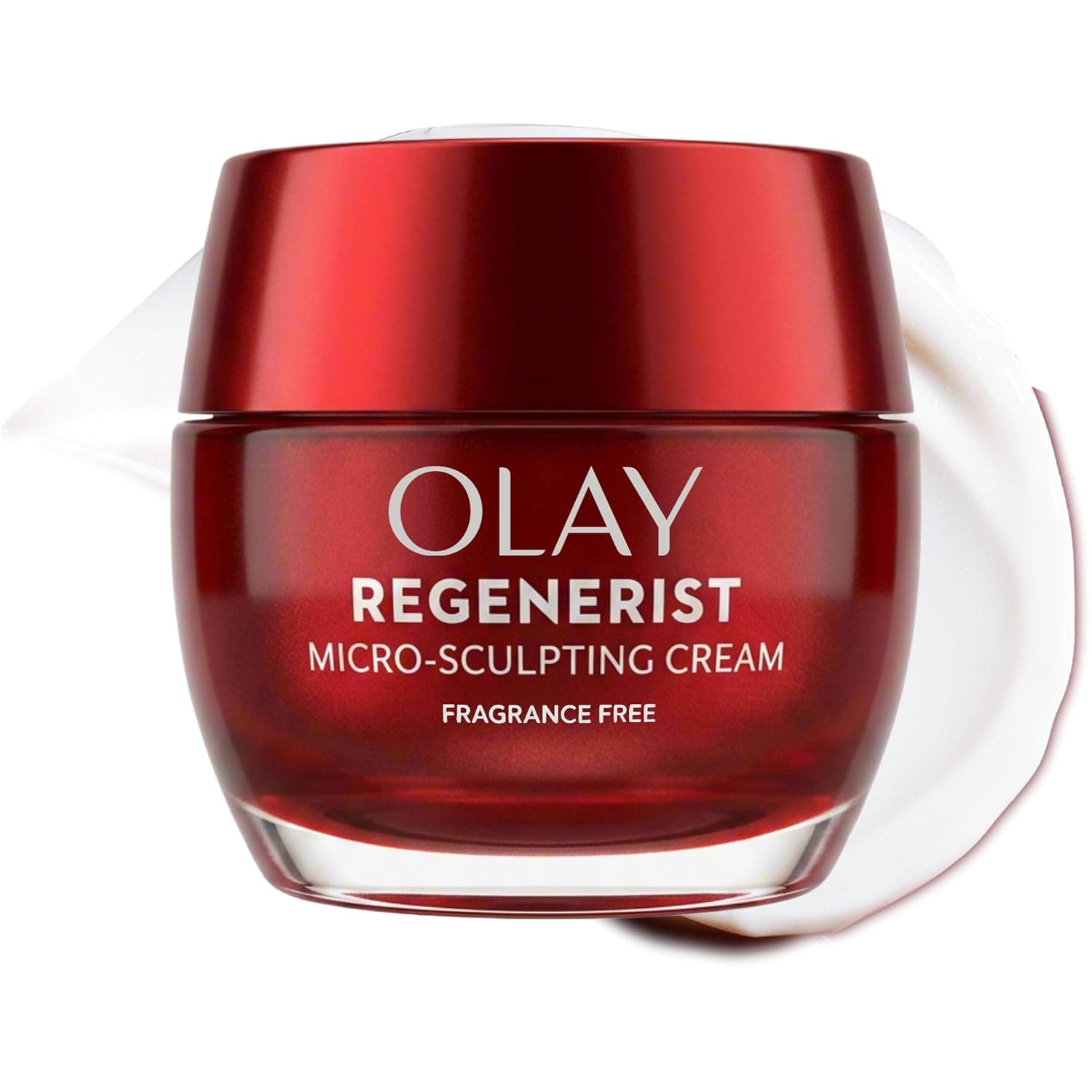
Olay Regenerist Micro-Sculpting Cream
$23.17Our review
A rich anti-aging moisturizer that firms and hydrates with peptides and hyaluronic acid. It's a solid choice for dry skin looking to reduce fine lines. The cream is thick and absorbs well, leaving skin soft. It's fragrance-free, so it's gentle on sensitive skin. If you have oily skin, it might feel too heavy. Use it at night for best results.
Pros
- Hydrating
- Firms skin
- Fragrance-free
Cons
- Heavy for oily skin
- Pricey
- Skin type
- Dry
- Key ingredients
- Peptides, Hyaluronic Acid, Niacinamide
- Size
- 1.7 oz
2. Wrinkle repair
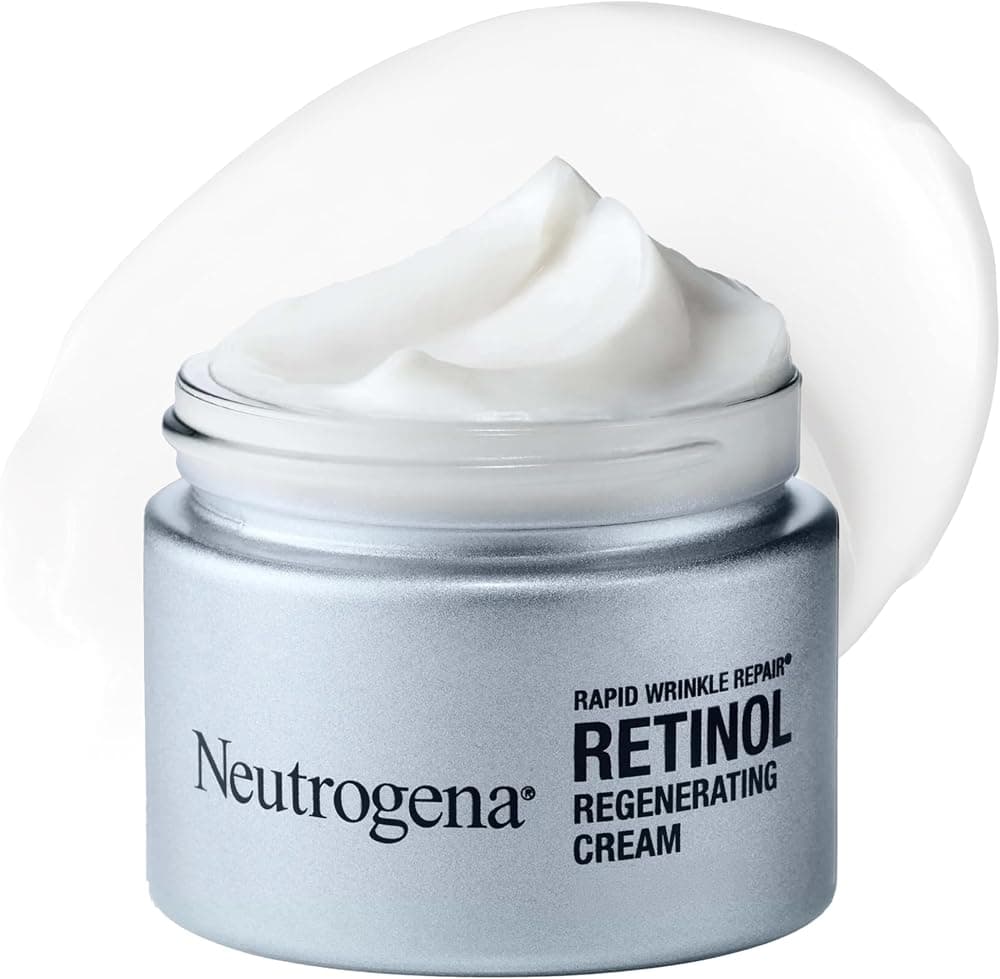
Neutrogena
Neutrogena Rapid Wrinkle Repair Retinol Face Moisturizer
$23.96Our review
A retinol-infused moisturizer that targets wrinkles and smooths skin texture. It's a good entry point for retinol if you're new to it. The formula is lightweight but hydrating, and it works overnight to improve skin. It's best for normal to dry skin, but those with sensitive skin should start slowly. Use sunscreen during the day, as retinol increases sun sensitivity.
Pros
- Contains retinol
- Smooths wrinkles
- Hydrating
Cons
- May cause irritation
- Not for sensitive skin
- Skin type
- Normal to dry
- Key ingredients
- Retinol
- Size
- 1.7 oz
3. Deep wrinkles
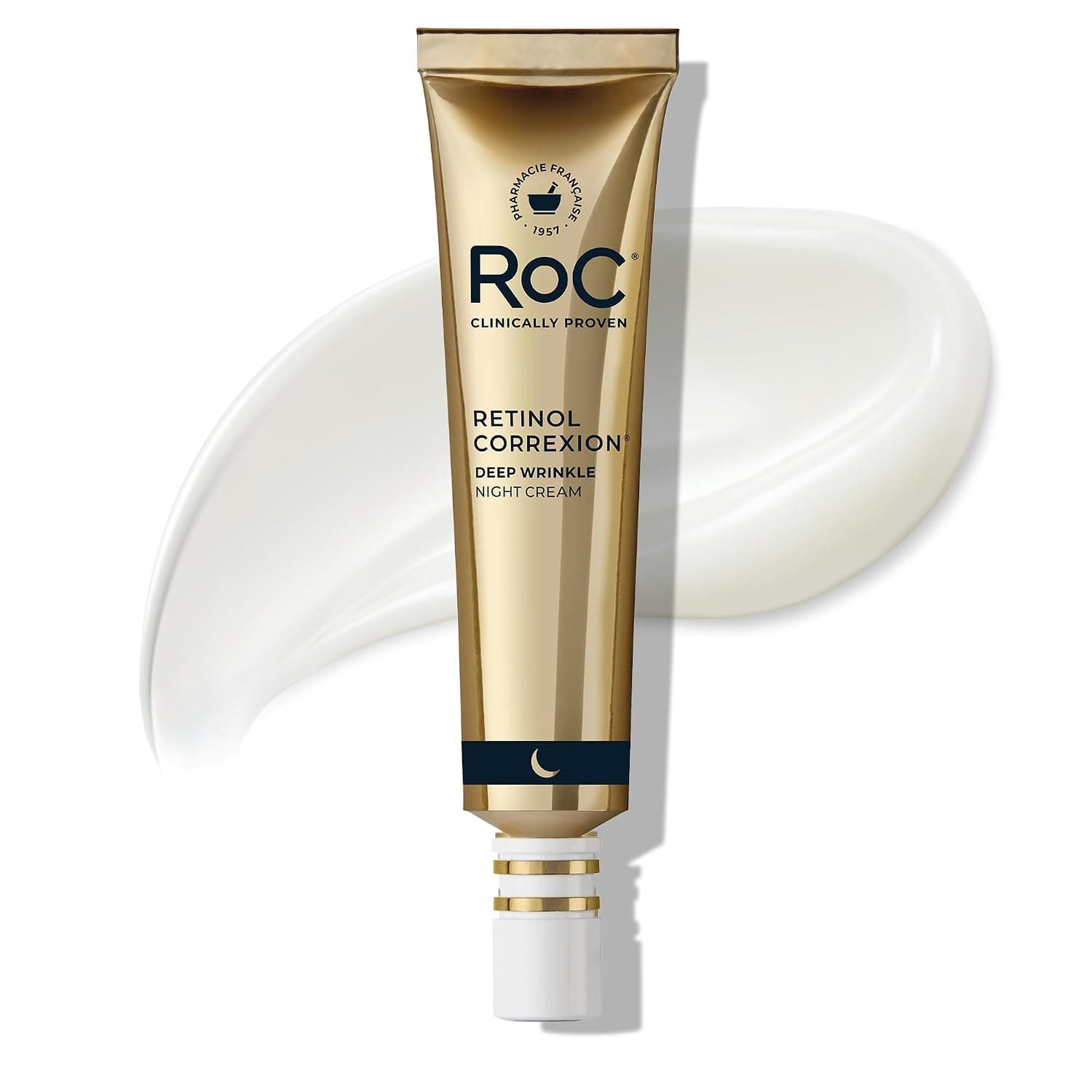
RoC
RoC Retinol Correxion Deep Wrinkle Night Cream
$21.97Our review
A potent night cream with retinol that targets deep wrinkles and is oil-free. It's a trusted option for visible anti-aging results. The cream is non-comedogenic, so it won't clog pores. It's best for those with mature skin who want to reduce fine lines. If you're new to retinol, start with a lower strength to avoid irritation.
Pros
- Effective retinol
- Oil-free
- Non-comedogenic
Cons
- Can be irritating
- Strong scent
- Skin type
- Normal to dry
- Key ingredients
- Retinol, Mineral Complex
- Size
- 1 oz
4. All skin types
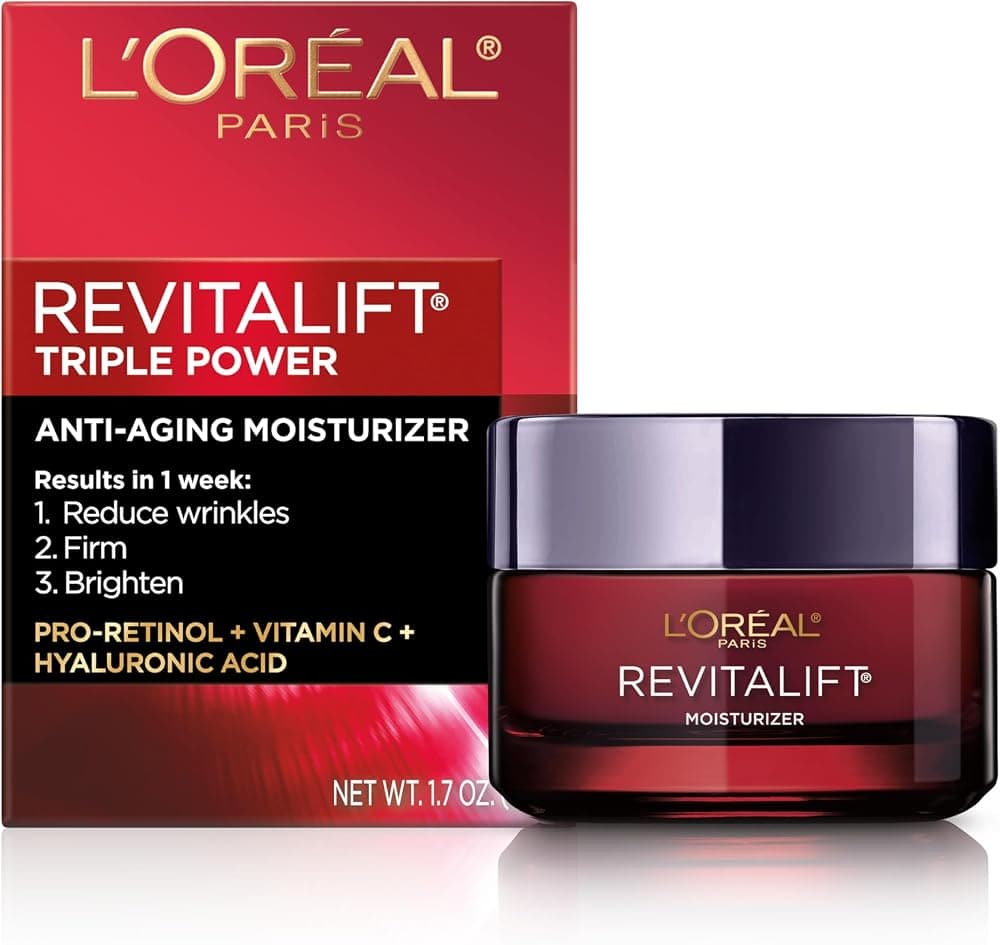
L'Oreal Paris
L'Oreal Paris Revitalift Triple Power Anti-Aging Face Moisturizer
$19.91Our review
A multi-tasking anti-aging moisturizer that combines retinol, vitamin C, and hyaluronic acid. It's a comprehensive formula for daily use. The cream is lightweight and absorbs quickly, making it suitable for most skin types. It targets wrinkles, dullness, and dryness. If you have very sensitive skin, the retinol might cause redness, so patch test first.
Pros
- Multiple actives
- Lightweight
- Affordable
Cons
- May irritate sensitive skin
- Fragrance
- Skin type
- All
- Key ingredients
- Retinol, Vitamin C, Hyaluronic Acid
5. Sensitive skin
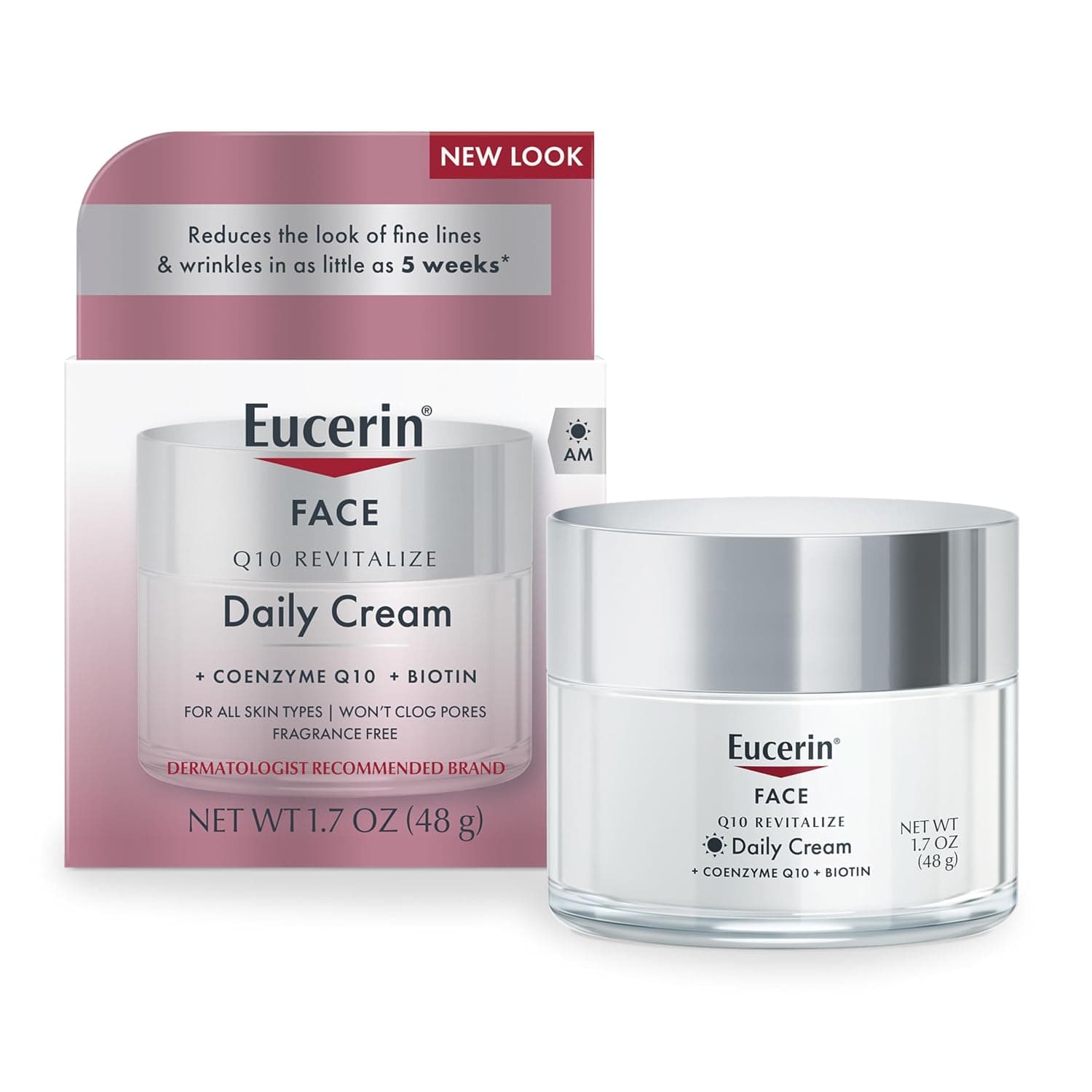
Eucerin
Eucerin Q10 Anti-Wrinkle Face Cream
$14.47Our review
A gentle anti-wrinkle cream with Q10 that's unscented and made for sensitive skin. It's a safe bet for those who react to fragrances. The cream is rich but non-greasy, and it hydrates while softening fine lines. It's best for dry, sensitive skin. If you have oily skin, it might be too heavy. It's a budget-friendly option for daily use.
Pros
- Fragrance-free
- Gentle on skin
- Hydrating
Cons
- Heavy for oily skin
- Slow results
- Skin type
- Sensitive, dry
- Key ingredients
- Q10
- Size
- 1.7 oz
Compare them side by side
| Product | Best for | Price | Key ingredients | Skin type |
|---|---|---|---|---|
| Olay Olay Regenerist Micro-Sculpting Cream | Dry, aging skin | $23.17 | Peptides, Hyaluronic Acid, Niacinamide | Dry |
| Neutrogena Neutrogena Rapid Wrinkle Repair Retinol Face Moisturizer | Wrinkle repair | $23.96 | Retinol | Normal to dry |
| RoC RoC Retinol Correxion Deep Wrinkle Night Cream | Deep wrinkles | $21.97 | Retinol, Mineral Complex | Normal to dry |
| L'Oreal Paris L'Oreal Paris Revitalift Triple Power Anti-Aging Face Moisturizer | All skin types | $19.91 | Retinol, Vitamin C, Hyaluronic Acid | All |
| Eucerin Eucerin Q10 Anti-Wrinkle Face Cream | Sensitive skin | $14.47 | Q10 | Sensitive, dry |
Prices are approximate in your currency; the retailer sets the final price.
How we chose
- Real use first. Reviews describe what our editors saw using the product: how long, on what skin, what changed.
- Ingredients that fit the job. Each pick has to suit the skin type or need it's listed for.
- Downsides included. Every pick lists its cons and who should skip it.
- No paid placement. Brands can't pay to be featured. We may earn a commission if you buy, which never decides what we pick.
How do you choose the best wrinkle cream for your skin?
Start with the main active ingredient. That one choice shapes everything else. Our wrinkle cream guide covers the ingredients in more depth, but here is the short version:
- Retinol and other retinoids. These vitamin A ingredients are the most studied topical option for fine lines and rough texture. They can also cause dryness and peeling at first. The Neutrogena and RoC creams are built around retinol, and the L'Oreal cream lists pro retinol.
- Peptides and niacinamide. A gentler route if retinol does not suit you. The Olay cream lists peptides, niacinamide and hyaluronic acid.
- Coenzyme Q10. An antioxidant used in gentle formulas. The Eucerin cream is unscented and made for sensitive skin.
- Hyaluronic acid. It draws water into the skin, which can make fine lines from dryness look softer.
Then match the texture to your skin type:
- Dry skin: a richer cream. Night creams are often thicker.
- Oily or combination skin: a lighter moisturizer that does not feel heavy.
- Sensitive skin: fragrance-free or unscented, with no retinol to start.
For a full routine built around fine lines, see our anti-wrinkle skin care guide.
How should you use a wrinkle cream?
When you use it depends on what is in it.
- Retinol creams go on at night. Retinol can make your skin more sensitive to the sun, so evening use is the usual advice.
- Peptide, Q10 and hyaluronic acid creams can go on morning, night or both.
A simple night routine looks like this:
- Cleanse and pat your skin dry.
- Apply a pea-sized amount of cream to your face, avoiding the corners of your eyes, nose and mouth.
- If your skin feels tight, add a plain moisturizer on top.
With retinol, start slow. Use it two or three nights a week for the first few weeks, then add nights as your skin adjusts. Expect to wait a few months of steady use before you judge it.
Every morning, wear a broad spectrum SPF 30 or higher. Sun exposure is a major cause of visible aging, and no cream can keep up without it. Our sunscreen for face guide can help you choose one.
Who should be careful with wrinkle creams?
- Pregnant, trying to conceive or breastfeeding. Doctors generally advise avoiding retinoids at these times. Ask your doctor or a dermatologist which products are right for you. A retinol-free cream may be the safer choice.
- Sensitive skin, rosacea or eczema. Retinol can sting, redden or flake. Start with a retinol-free, fragrance-free cream and talk to a dermatologist first.
- You already use strong actives. Stacking retinol with exfoliating acids or prescription treatments can be too much. Use one strong active at a time.
Patch test any new cream. Apply a small amount on your inner arm or behind your ear for a few days. If you get redness, burning or swelling, stop. See a dermatologist if a reaction does not clear up, or if you want stronger, prescription options.
Questions people ask
At what age should you start using a wrinkle cream?
There is no set age. Many people add a retinol or peptide cream in their late twenties or thirties, when they first notice fine lines. Daily sunscreen is worth starting at any age.
Can you use a wrinkle cream around your eyes?
The skin around your eyes is thin and easily irritated. Keep retinol creams away from the eye area unless the label says otherwise, and consider a product made for eyes, like those in our eye cream guide.
How long does a wrinkle cream take to work?
Moisturizing ingredients can make skin look smoother within days. Changes from retinol take longer, usually a few months of regular use. Stick with one product long enough to judge it fairly.
Liked this skincare story?
Get the next one first
One email a week: new stories and the few products worth buying.