Blackhead Remover Options Ranked by Safety and Results
The best blackhead remover is usually a salicylic acid product, not a tool. Here is every option ranked by safety and results, plus a simple weekly routine.
By the Beauty Sassy editors6 min read
The most reliable blackhead remover is a salicylic acid (BHA) cleanser or leave-on product used a few times a week, backed up by a retinoid if you need more. Tools like pore strips, extractors and pore vacuums can empty pores for a day or two, but they do not stop blackheads coming back and are easier to misuse.
Here is what blackheads actually are, every option ranked from safest and most effective to riskiest, and a routine you can start this week.
What are blackheads, really?
A blackhead is a pore plugged with sebum (your skin's natural oil) and dead skin cells. The top of the plug is open to the air, and the oil darkens as it oxidizes. It is not dirt, so scrubbing harder will not wash it away.
Blackheads are a type of comedone, the mildest form of acne. They tend to cluster where oil glands are busiest: the nose, chin, forehead and sometimes the cheeks, back and chest.
Are those blackheads or sebaceous filaments?
Many dots on the nose are sebaceous filaments, not blackheads. Filaments are a normal lining of oil and cells inside every pore, and they look like small gray or tan dots that sit flat with the skin.
- Sebaceous filaments are evenly spread, pale gray or beige, and refill within days after you squeeze them. That is normal. You can make them less visible, but you cannot remove them for good.
- Blackheads are darker, often slightly raised, more scattered, and contain a firmer plug.
This matters because chasing filaments with tools usually leaves you with red, irritated skin and no lasting change. Gentle chemical exfoliation is the right fix for both.
What is the best blackhead remover? Options ranked by safety and effectiveness
Start at the top of this list and only move down if you need to. The first two options treat the cause. Everything after that mostly treats the symptom.
- Salicylic acid (BHA) cleansers and leave-ons. Salicylic acid is oil soluble, so it gets into the pore and loosens the plug from the inside. A leave-on toner, serum or gel usually does more than a wash-off cleanser because it stays on longer. Start two or three times a week, then build up if your skin tolerates it.
- Retinoids. Retinoids, including over-the-counter adapalene and gentler retinol, help skin shed cells more evenly so plugs form less often. They take time, often around two to three months, and can cause dryness or flaking early on. Use at night and wear sunscreen every day.
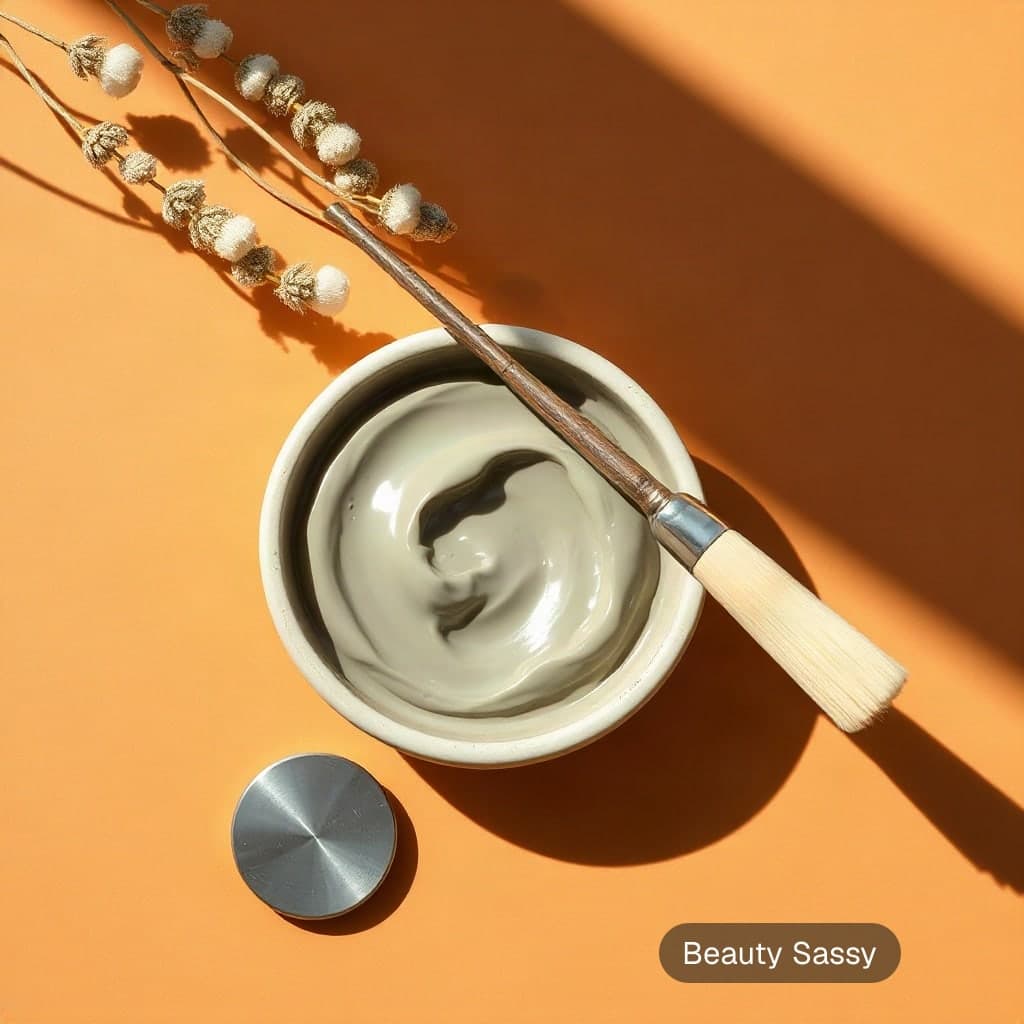
- Clay masks. Kaolin or bentonite clay soaks up surface oil and can make pores look clearer for a day or so. It is a nice add-on once or twice a week, not a treatment on its own.
- Oil cleansing. A cleansing oil or balm dissolves sunscreen, makeup and surface oil, and some people find it softens plugs. Results vary, and heavier oils can clog pores in acne-prone skin, so pick a formula labeled non-comedogenic.
- Pore strips. They pull out the tops of plugs and some filaments, which looks satisfying. The effect is short lived, and the adhesive can irritate sensitive skin or tug at broken skin. Avoid them if you use a retinoid or have rosacea or eczema.
- Comedone extractor tools. A metal loop that presses around a softened blackhead. Used gently, it can clear a stubborn one. Used with force, it bruises skin, breaks capillaries and can leave marks.
- Pore vacuums. Suction devices that pull on the skin. High settings or holding them in one spot can cause bruising, broken capillaries and lingering redness. If you try one, use the lowest setting and keep it moving.
- Professional extractions. A dermatologist or licensed esthetician can extract safely with clean tools and the right technique. This is the best choice for many stubborn blackheads, but it is a reset, not a cure. You still need a home routine to stop them returning.
Professional extraction is last on the list only because it needs an appointment, not because it is unsafe. It is far safer than doing the same thing yourself with force.
How do you use a blackhead extractor safely?
If you use one at all, soften the skin first, press gently once or twice, and stop if nothing comes out. Never dig, and never work on red, swollen or painful spots.
- Wash your face and your hands, and clean the tool with rubbing alcohol.
- Soften the skin with a warm, damp washcloth for a few minutes, or do it after a shower.
- Center the loop over the blackhead and press down with light, even pressure. Do not rock or scrape.
- Stop after one or two tries. If the plug does not release, it is not ready. Leave it and let your BHA keep working.
- Clean the area and the tool afterward, and skip strong actives on that patch for the night.
Limit this to a few blackheads at a time. If you find yourself working on dozens, a professional or a stronger daily routine is a better plan.
What should you avoid when removing blackheads?
Avoid anything that relies on force or friction. These habits tend to make skin redder and pores look bigger, not smaller.
- Squeezing with your fingernails. Nails tear skin, push debris deeper and can lead to inflamed spots, dark marks and scars.
- Harsh physical scrubs with jagged particles. They irritate the surface and cannot reach inside the pore.
- Stacking actives. Using a BHA, a retinoid and a scrub on the same night often ends in a damaged skin barrier. Our skincare layering guide explains how to space them out.
- Drying out your skin. Stripping cleansers and alcohol-heavy toners can leave skin tight and flaky. Moisturizer still matters on oily skin.
- DIY hacks like glue, toothpaste or lemon juice. They irritate skin without treating the plug.
What is a simple weekly routine for blackheads?
Keep it short: a gentle cleanser, a BHA a few nights a week, a retinoid on other nights once your skin is ready, moisturizer, and daily sunscreen.
- Every morning: gentle cleanser, light moisturizer, and broad-spectrum SPF 30 or higher. See our guide to sunscreen for your face for lightweight options that suit oily skin.
- Monday, Wednesday, Friday nights: cleanse, then apply your salicylic acid leave-on, then moisturizer.
- Tuesday and Thursday nights: cleanse, then retinoid, then moisturizer. Begin with one night a week if you are new to retinoids.
- Weekend: one clay mask on your T-zone, and one night off from actives to let your skin rest.
You do not need expensive products for this. Our affordable skin care guide shows how to build a routine on a budget. Not sure what your skin type needs? Try our free AI Skin Read for a starting point.
How long does it take to get rid of blackheads?
Expect to see a difference in about four to eight weeks of steady use, and longer with retinoids. Blackheads are managed, not cured, so they will drift back if you stop.
Some visible pores and filaments will always remain, because pores are part of healthy skin. If you have painful bumps, cystic acne, scarring, or blackheads that do not improve after a few months, see a dermatologist. They can confirm what you are dealing with and offer prescription options or safe extractions.
Questions people ask
Do pore strips actually remove blackheads?
They remove the tops of some plugs and some filaments, so your nose may look clearer for a day or two. They do not change how quickly pores refill. A salicylic acid product is a better long-term choice.
Can pimple patches remove blackheads?
Not really. A blackhead plug is solid and sits inside the pore, so a hydrocolloid patch has nothing to absorb. Our pimple patch guide explains which spots patches do help.
Is it bad to squeeze blackheads?
Squeezing with your fingers or nails can tear skin, push the plug deeper and cause inflamed spots or marks. If one really bothers you, soften the skin and use gentle pressure with a clean tool, or leave it to a professional.
Are pore vacuums safe?
They can bruise skin and break small blood vessels, especially on high suction or thin, sensitive skin. If you try one, use the lowest setting, keep it moving, and skip it on irritated areas. Chemical exfoliation is gentler and works better over time.
Liked this skincare story?
Get the next one first
One email a week: new stories and the few products worth buying.