Sunscreen for Face: Choosing, Applying and Reapplying
How to pick sunscreen for face skin: broad spectrum SPF 30+, mineral vs chemical filters, textures by skin type, how much to apply and when to reapply.
By the Beauty Sassy editors5 min read
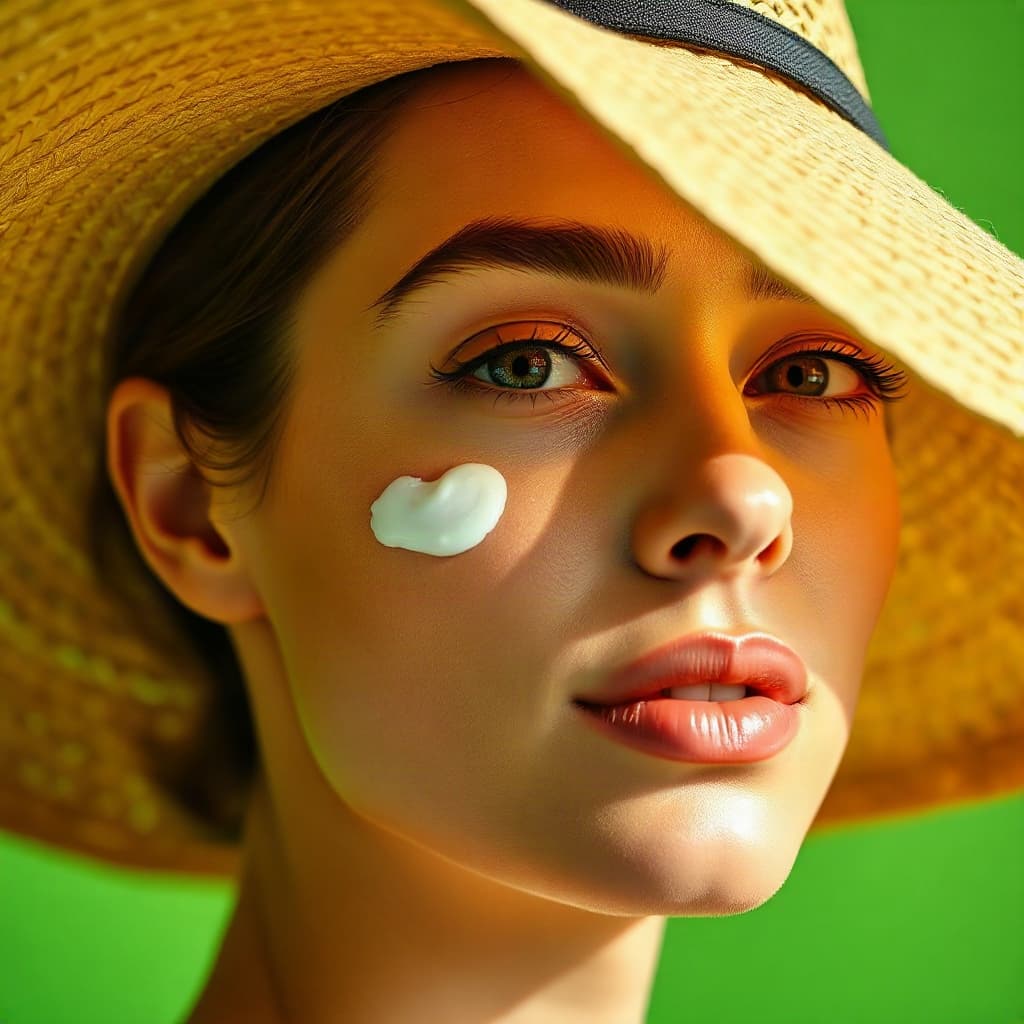
The best sunscreen for your face is a broad-spectrum formula with SPF 30 or higher that you like enough to wear every day. Apply about a quarter teaspoon to your face as the last step of your morning skincare, and reapply every two hours when you're outdoors, plus right after swimming or sweating.
What to look for on a face sunscreen label
- Broad spectrum. This means it protects against both UVB, which causes sunburn, and UVA, which penetrates deeper and drives aging. Both contribute to skin cancer.
- SPF 30 or higher. This is the level dermatologists commonly recommend for daily use. A higher SPF adds some protection, but no sunscreen blocks all UV, and how much you apply matters more than the number.
- Water resistance, if you'll sweat or swim. In the US, labels state water resistance for either 40 or 80 minutes. No sunscreen is truly waterproof.
- UVA ratings outside the US. In the UK you may see a UVA star rating, and many sunscreens made in Asia carry a PA rating. More stars or more plus signs mean more UVA protection.
- Non-comedogenic or fragrance-free, if you're prone to breakouts or sensitivity.
Mineral vs chemical sunscreen for your face
Sunscreens use two kinds of UV filters, and both work well when you apply enough.
Mineral sunscreens
These use zinc oxide, titanium dioxide or both. They're less likely to irritate reactive skin, which makes them a common choice for sensitive or rosacea-prone faces and for children. The trade-off is texture. Some leave a white or gray cast, especially on deeper skin tones, though tinted mineral formulas help with that.
Chemical sunscreens
These use filters such as avobenzone, octocrylene or homosalate, which absorb UV. They tend to feel lighter and spread invisibly, which many people with oily or deeper skin prefer. A few people find certain filters sting their eyes or irritate their skin.
There's ongoing research and regulatory review into how much of some chemical filters is absorbed into the body. Regulators have asked manufacturers for more safety data, but they haven't concluded these sunscreens are harmful, and dermatologists continue to recommend wearing sunscreen. If you'd rather sidestep the question, mineral filters are a simple option.
Choosing a face sunscreen for your skin type
- Oily or acne-prone skin: gels, fluids and lightweight lotions labeled non-comedogenic, often with a matte finish.
- Dry skin: cream sunscreens with moisturizing ingredients such as glycerin or ceramides. Some can double as your moisturizer, and our dry skin treatment guide covers the rest of your routine.
- Sensitive or rosacea-prone skin: fragrance-free mineral formulas.
- Deeper skin tones: sheer chemical formulas or tinted mineral ones that won't leave a cast.
- Melasma or dark spots: tinted sunscreens containing iron oxides, which help block visible light that can worsen pigmentation.
- Children: mineral formulas are usually gentlest. Babies under six months should be kept in the shade and covered up rather than wearing sunscreen, so ask your pediatrician. Our guide to children's skincare has more detail.
If you're unsure of your skin type, our free AI Skin Read suggests one, plus a routine, from a single photo. It's also worth knowing your Fitzpatrick skin type, which describes how easily you burn.
How much sunscreen to use on your face, and how to apply it
Most people use far less sunscreen than the amount used in SPF testing, so they get less protection than the label promises. A quarter teaspoon covers the face for most adults; add more for your neck and ears. Some people find it easier to squeeze two finger-lengths of product along their index and middle fingers.
- Finish your skincare first. Sunscreen goes after moisturizer and before makeup. Our guide on how to layer skincare explains why order matters.
- Dot it across your face. Place it on your forehead, cheeks, nose and chin, then spread evenly.
- Cover the spots people miss. Think hairline, ears, eyelids, the sides and back of your neck and the area just under your jaw.
- Give it time. Apply about 15 minutes before you head outside, and let it set for a few minutes before makeup so it doesn't pill or slide.
- Protect your lips. Use a lip balm with SPF and reapply it often.
Reapplying sunscreen, even over makeup
Sunscreen wears off with sweat, water and touching your face, and some filters break down in sunlight. Outdoors, reapply at least every two hours, and right after swimming, sweating or towel-drying. If you spend the day indoors away from windows, your morning application usually covers you. UVA can pass through glass, though, so window seats and long drives count as sun exposure.
Reapplying over makeup takes a little strategy:
- Blot oil first with a tissue, then press a lightweight fluid sunscreen on with a damp makeup sponge.
- Sticks are convenient but easy to underapply. Use several passes over each area.
- For mists, spray into your hands and press onto your face rather than spraying directly at it, and use enough to coat your skin.
- SPF powders can top up protection, but it's hard to apply enough powder to reach the SPF on the label. Treat them as a bonus layer, not your main protection.
Face sunscreen myths worth dropping
- SPF in foundation is enough. You'd need to wear far more foundation than anyone does to get the labeled protection. Wear sunscreen underneath.
- You can skip it on cloudy days. A large share of UV passes through clouds.
- Darker skin doesn't need sunscreen. Melanin gives some protection, but anyone can get skin cancer, sun damage and dark spots.
- A high SPF means you can stay out longer. The two-hour reapplication rule applies whatever the number.
- Sunscreen alone is enough. Shade, hats and sunglasses add protection that sunscreen can't fully replace.
See a dermatologist if a mole or spot on your face changes in size, shape or color, bleeds, itches or doesn't heal.
Questions people ask
Can I use body sunscreen on my face?
You can, and it will protect you. Body formulas are sometimes thicker or fragranced, so they may feel heavy, sting your eyes or trigger breakouts. Face formulas are designed to wear comfortably under makeup.
Is SPF 50 much better than SPF 30?
SPF 50 filters slightly more UVB than SPF 30, but the difference is smaller than the numbers suggest. Applying enough and reapplying matter more. If you burn easily, the higher number is a sensible choice.
Do I need sunscreen indoors?
If you sit near windows or spend time driving, yes, because UVA passes through most glass. In a room with little daylight, the risk is low.
Does sunscreen go on before or after moisturizer?
After. Sunscreen is the last skincare step in the morning, applied before makeup. If your sunscreen is moisturizing enough, you can skip a separate moisturizer.
Liked this skincare story?
Get the next one first
One email a week: new stories and the few products worth buying.