Vegan Makeup: Ingredients to Spot and Labels Explained
Vegan makeup explained: how it differs from cruelty-free, how to spot carmine, beeswax, lanolin and other animal ingredients, and what labels mean.
By the Beauty Sassy editors6 min read
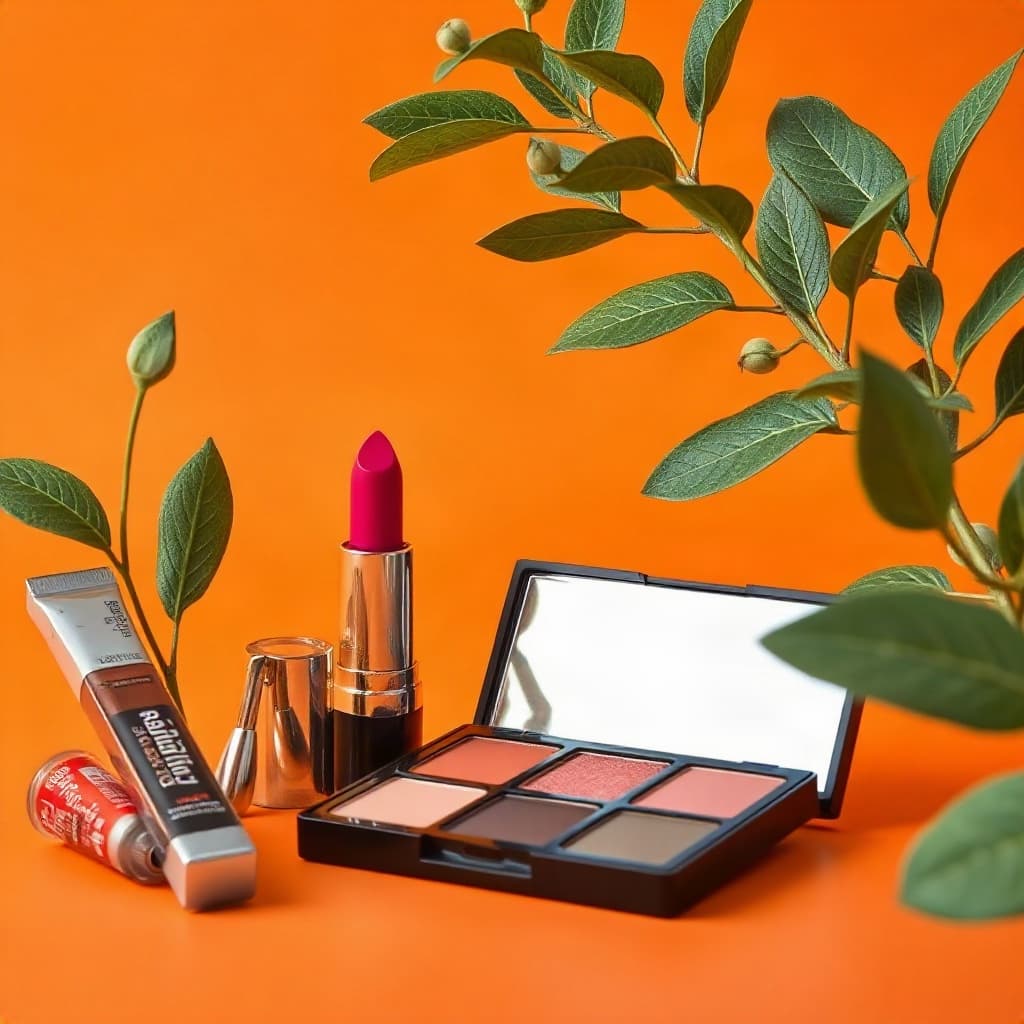
Vegan makeup contains no ingredients that come from animals, such as carmine, beeswax, lanolin or shellac. It is not the same as cruelty-free makeup, which refers to animal testing rather than ingredients, so a product can be one without being the other. To find makeup that is both, check the ingredient list for animal-derived names and look closely at what any vegan or cruelty-free claim actually covers.
Vegan vs cruelty-free makeup
These two labels are often printed side by side, but they answer different questions.
- Vegan is about what goes into the product: no ingredients taken from animals or made by them.
- Cruelty-free is about testing: no animal testing. Companies define the scope differently, though. Some mean the finished product only, while others include every ingredient and every supplier.
That gives you four possible combinations. A lipstick can be vegan but tested on animals, or cruelty-free but made with beeswax. If both matter to you, confirm both.
Animal testing rules also vary by country. The EU and UK ban animal testing for cosmetic purposes and restrict the sale of cosmetics tested on animals, and some other countries and US states have passed similar laws. Elsewhere the rules differ and have been changing, so a brand's current policy is worth checking directly.
Common animal-derived ingredients in makeup
Most of these have good plant-based or synthetic alternatives. Knowing the names helps you spot them quickly.
- Carmine: a red pigment made from crushed cochineal insects. Look for carmine, cochineal, carminic acid, Natural Red 4 or CI 75470. It shows up in red, pink and purple lipsticks, blushes and eyeshadows.
- Beeswax: listed as beeswax or cera alba. Common in lipsticks, balms, mascaras and pencils, where it adds structure and slip.
- Lanolin: a wax from sheep's wool, found in lip products and rich balms. Related names include lanolin alcohol and lanolin oil.
- Shellac: a resin secreted by lac insects, used in some nail polishes, mascaras and liners for a glossy, long-wearing film.
- Guanine: a pearly shimmer made from fish scales, listed as guanine or CI 75170. It appears in highlighters, shadows and polishes.
- Squalene: traditionally sourced from shark liver oil, though plant-derived versions are now common. Squalane, the more stable form, can come from either source.
- Bee products: honey, royal jelly and propolis in some lip and skin formulas.
- Proteins: collagen, keratin, elastin and silk proteins are often animal-derived, though plant-based and lab-made versions exist.
- Milk derivatives: casein and milk proteins in some creams and balms.
- Tallow derivatives: names containing tallow or tallowate point to animal fat.
The tricky ones: ingredients that can go either way
Some ingredients can come from animal or plant sources, and the name on the list won't tell you which. If the brand doesn't state the source, ask.
- Glycerin: a humectant that can be made from plant oils or animal fat.
- Stearic acid and other fatty acids: from animal fat or from plant oils such as coconut or palm.
- Stearates: such as magnesium stearate in pressed powders, which help them hold together and feel smooth.
- Fatty alcohols: like cetyl alcohol, which can be plant-derived, animal-derived or synthetic.
- Hyaluronic acid: commonly made by fermentation today, though it can also be extracted from animal tissue.
A brand that knows its supply chain should be able to answer these questions clearly. A vague reply is useful information too.
Does vegan makeup perform differently?
Mostly, no. Many vegan formulas are indistinguishable from their conventional counterparts once they are on your face. The differences you might notice come from the swaps. Lipsticks made with plant waxes can feel slightly firmer or glide a little less than beeswax versions. Reds and pinks colored without carmine rely on synthetic pigments, which can look a touch brighter or cooler. Shimmers made with mica or synthetic alternatives instead of guanine can catch the light in a different way.
None of that is better or worse. It just means you should swatch a vegan version of a favorite product rather than assume it will match exactly.
Brushes and tools count too
A vegan makeup bag isn't only about formulas. Traditional natural-hair brushes are made from animal hair such as goat, pony or squirrel. Synthetic fibers perform very well, especially with creams and liquids, and they are easier to wash and dry. Our guide to makeup brushes explains which synthetic shapes cover the basics. Sponges are usually synthetic, but some powder puffs and applicators use natural materials, so check the packaging.
What vegan and cruelty-free certifications mean
A product can carry a vegan or cruelty-free claim in two main ways.
- Self-declared claims: the brand states it on the packaging or website. These can be accurate, but nobody independent has checked them, and the brand sets its own definition.
- Third-party certification: an independent organization reviews the brand against a published standard, usually through documents such as supplier declarations, and licenses a logo. Standards and the depth of checking vary between certifiers.
When you see a logo, find out:
- What it covers: ingredients, testing or both.
- Whether it applies to the whole brand or only certain products.
- Whether it covers suppliers and ingredient testing as well as finished products.
- How it treats sales in markets where animal testing may be required by law.
A logo is a useful shortcut. Reading the ingredient list is still the most direct way to check a vegan claim yourself.
How to shop for vegan makeup
- Start with the categories most likely to contain animal ingredients: red and pink lip and cheek colors (carmine), lipsticks and balms (beeswax, lanolin), shimmer products (guanine), and mascara and nail polish (beeswax, shellac).
- Scan the ingredient list for the names above. Keep a short note on your phone so you don't have to remember them.
- Ask about ambiguous ingredients. Glycerin, stearic acid and stearates are the usual questions.
- Check that the claim covers the shade you want. Within one range, some shades may use carmine while others don't, so look at the may contain section on multi-shade products.
- Judge performance too. Plant waxes such as candelilla and carnauba often replace beeswax and behave a little differently, so swatch where you can.
Vegan options exist across price points. If you are keeping costs down, our guide to affordable makeup covers where budget formulas shine. And if you also care about what is left out of a formula for other reasons, our look at clean makeup explains what that label does and doesn't promise.
Questions people ask
Is vegan makeup better for your skin?
Not by default. Vegan describes where ingredients come from, not how they suit your skin. A vegan formula can still contain fragrance or plant extracts that irritate sensitive skin, so choose for your skin type as you normally would.
Is all cruelty-free makeup vegan?
No. Cruelty-free refers to animal testing. A cruelty-free product can still contain beeswax, lanolin, carmine or other animal-derived ingredients.
How can I tell if a red lipstick contains carmine?
Check the ingredient list for carmine, cochineal, carminic acid, Natural Red 4 or CI 75470. In multi-shade ranges, check the shade-specific colorants, since only some shades may use it.
Is vegan makeup the same as natural makeup?
No. Vegan makeup can use synthetic ingredients, and natural makeup can include animal-derived ones such as beeswax or honey. The two labels measure different things.
Liked this makeup story?
Get the next one first
One email a week: new stories and the few products worth buying.