Makeup Brushes: Which You Need and How to Clean Them
A practical guide to makeup brushes: the few you actually need, what each one does, synthetic vs natural fibers, and how often and how to clean them.
By the Beauty Sassy editors6 min read
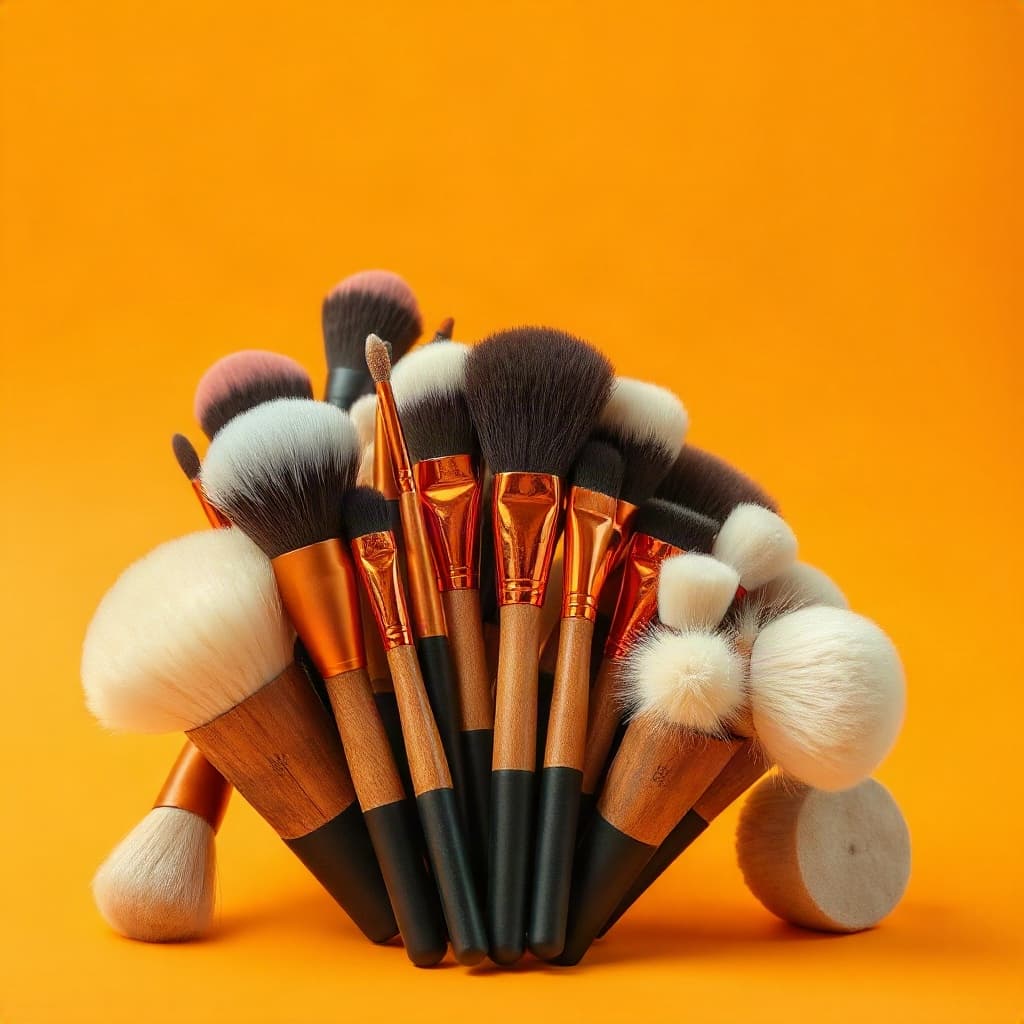
You only need a handful of makeup brushes to do almost everything: one for foundation, one for concealer, a powder brush, a blush brush, a fluffy blending brush and a flat shader for eyes, plus an angled brush for brows or liner. Synthetic fibers handle liquids and creams best, natural fibers suit powders, and every brush needs regular washing. Brushes used with liquid or cream products should be cleaned about once a week.
The makeup brushes that actually matter
Brush sets often come with a dozen shapes you will never reach for. Start with the seven below, learn what each does well, and add others only when you notice a gap in your routine.
Face brushes
- Foundation brush. A dense, flat-topped or rounded synthetic brush buffs liquid and cream foundation into skin. Work in small circles from the center of the face outward. A flat paddle brush gives more coverage but can leave streaks if you rush.
- Concealer brush. A small, slightly tapered synthetic brush lets you place product exactly where you need it, then pat it in. A smaller fluffy version is better for blending under the eyes.
- Powder brush. Large, fluffy and loosely packed. It spreads a thin veil of setting powder without disturbing what is underneath. Tap off the excess before it touches your face.
- Blush brush. Medium-sized and rounded or slightly angled. Smaller and denser than a powder brush, so color lands where you put it. Angled versions double for contour and bronzer.
Eye brushes
- Fluffy blending brush. If you buy one eye brush, make it this one. It diffuses color in the crease and softens harsh edges. Use light pressure and small back-and-forth strokes.
- Flat shader brush. A short, flat, dense brush that packs color onto the lid. Press and pat rather than sweep for the most pigment and least fallout.
- Angled brush. A thin, firm, slanted brush fills brows with hair-like strokes and draws gel or powder liner along the lash line. Pair it with a spoolie to soften brow color.
A small pencil brush for smudging liner along the lower lash line and a fan or tapered highlight brush are nice extras, not essentials. If you are building a kit on a budget, our guide to affordable makeup covers where to spend and where to save.
How brush shape and density change the result
Two things decide what a brush does: how tightly the fibers are packed and how the head is cut.
- Dense brushes deposit more product and give more coverage. Use them to buff in foundation or pack shadow onto the lid.
- Loose, fluffy brushes pick up less and spread it wider. Use them for powder, blending and anything that should look soft.
- Angled heads follow the contours of the face, which is why they suit cheekbone contour and brows.
- Tapered or pointed heads give precision at the tip and softness at the edges, useful for highlight, concealer and the outer corner of the eye.
- Flat heads press product down. Good for packing color, less forgiving for blending.
Knowing this lets you swap tools. A fluffy eye brush can blend concealer, and a small angled blush brush can sculpt contour along the cheekbone if you are working with your face shape.
Synthetic vs natural brushes
Natural brushes are made from animal hair, often goat. Each hair has a textured outer cuticle that grabs powder and releases it gradually, which makes for soft, even blending of powder blush, bronzer and eyeshadow.
Synthetic brushes are made from man-made fibers such as nylon or other polymers. The fibers are smooth and do not absorb product, so they are better for liquid and cream formulas. They are easier to wash, dry faster and tend to hold their shape well. Modern synthetic brushes have become soft enough to handle powders nicely too.
A practical split:
- Use synthetic for foundation, concealer, cream blush, cream shadow and liner.
- Use either for powders. Natural fibers diffuse a little more softly. Synthetic gives a touch more payoff.
- Choose synthetic across the board if you avoid animal-derived products. It fits naturally with vegan makeup.
- Choose synthetic if you have sensitive skin and find natural hair scratchy, or if you wash brushes often, since natural hair can dry out over time.
How often to clean makeup brushes
Brushes collect oil, dead skin cells and leftover product with every use, and that buildup is a good environment for bacteria. Dirty brushes can contribute to clogged pores and irritation, they apply product unevenly, and they wear out sooner. A dirty eye brush is also a route for bacteria to reach your eyes. A sensible rhythm:
- Foundation, concealer and cream brushes: about once a week. Liquids and creams build up fastest.
- Eye brushes: about once a week, more often if you use them daily or on more than one person.
- Powder, blush and bronzer brushes: every week or two.
- Between washes: wipe brushes on a clean cloth after use. A quick-drying spray cleanser is useful for switching shades, but it does not replace a proper wash.
- Right away: after any breakout, eye irritation or illness, and after anyone else has used them.
How to clean makeup brushes step by step
- Wet the bristles only. Hold the brush with the bristles pointing down under lukewarm running water. Keep water away from the ferrule, the metal band, because it loosens the glue that holds the bristles in.
- Add a gentle cleanser. A mild unscented soap, a gentle face wash or a brush shampoo all work. A drop of a gentle oil cleanser helps break down long-wear foundation first.
- Work it in. Swirl the bristles in your palm or on a textured cleaning mat. You will see the lather pick up color.
- Rinse and repeat. Rinse bristles down until the water runs clear. Dense foundation brushes often need two or three rounds.
- Squeeze, do not twist. Press out excess water gently with a clean towel, then reshape the head with your fingers.
- Dry flat or bristles down. Lay brushes flat on a towel with the heads hanging over the edge, or angle them downward. Never dry them standing upright, which lets water run into the ferrule.
Let them dry fully, ideally overnight, before using or storing them. Once dry, keep them upright in an open cup or a covered holder away from steam. If you are setting up a space for your kit, our makeup vanity guide has ideas that keep brushes clean and within reach.
When to replace a makeup brush
Good brushes last a long time with care, but they do not last forever. Replace a brush when:
- It sheds hairs every time you use it.
- The bristles stay splayed or bent after washing and reshaping.
- It smells musty even when clean and dry.
- The head wobbles or the ferrule is loose.
- It feels scratchy or rough on your skin.
Questions people ask
Do I really need makeup brushes, or can I use my fingers?
Fingers are excellent for cream blush, tinted moisturizer and patting concealer, because skin warmth helps creams melt in. Brushes give more control with powders and eye makeup, so most people end up using both.
Can I wash makeup brushes with dish soap?
A small amount of mild dish soap cuts through oily buildup on synthetic brushes, but it can be drying on natural hair. Follow with a thorough rinse, and use a gentler soap for natural fibers.
Why does my foundation look streaky with a brush?
The brush may be dirty, too sparse, or used in long strokes. Switch to a dense, clean brush and buff in small circles, or press the product in with a damp sponge after brushing.
How long do makeup brushes take to dry?
Most small brushes dry overnight. Large, dense foundation and powder brushes can take longer, so wash them when you will not need them the next morning.
Liked this makeup story?
Get the next one first
One email a week: new stories and the few products worth buying.