Affordable Makeup: Where to Save and Where to Spend
Affordable makeup that works: where budget formulas shine, where paying more can make sense, and how to swatch, test in daylight and shop returns.
By the Beauty Sassy editors6 min read
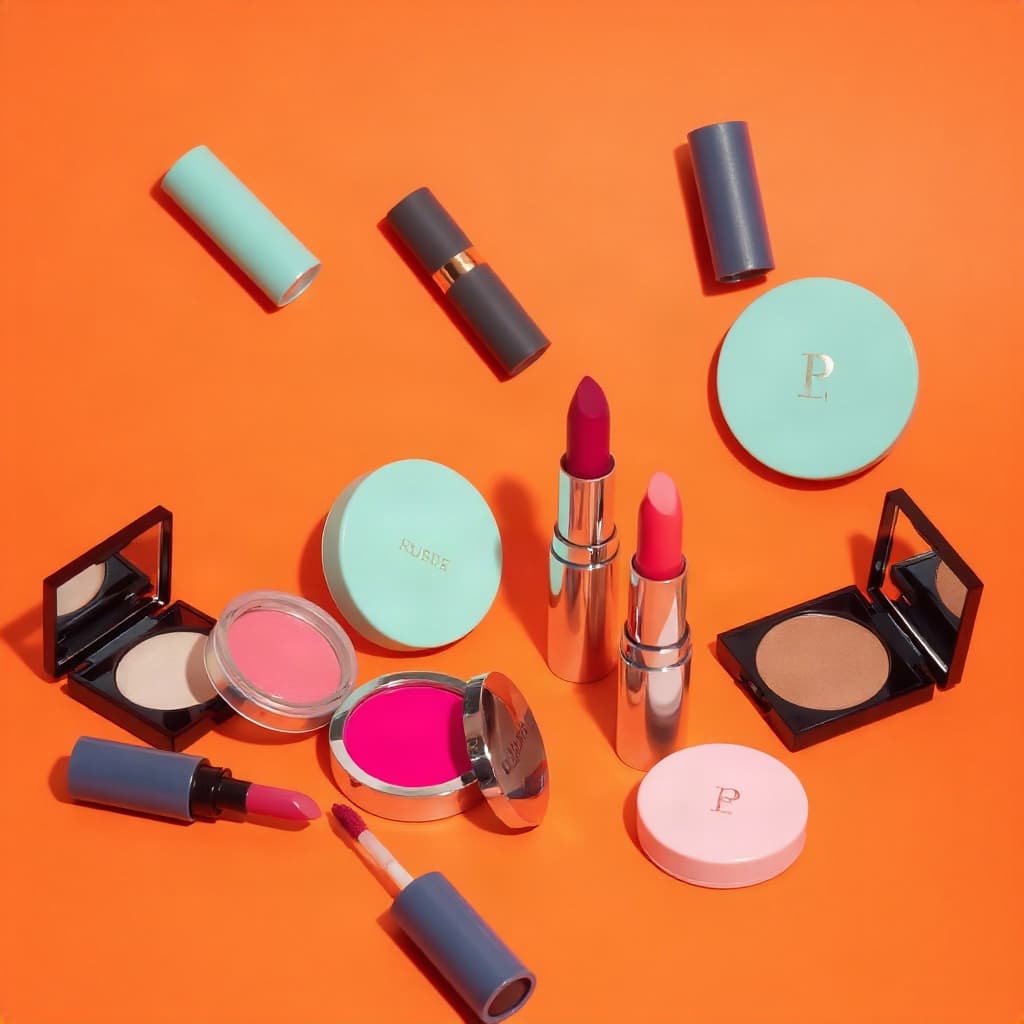
Affordable makeup works best for products with simple formulas that you use up fast: mascara, brow pencils, lip liner, gloss, setting powder and single eyeshadows. Paying more can make sense for complexion products, where shade range and finish matter most, and for anything you need to last through a long day. On any budget, the smartest moves are testing in daylight, wearing a product for a few hours before you commit, and knowing the return policy before you buy.
Why price and performance don't always line up
The price of a product covers much more than what is inside it. Packaging, marketing, distribution and brand positioning all play a part. Many product types rely on well-established ingredients and techniques, so a lower-priced version can perform just as well as a premium one. Other products are harder to get right, and that is where differences tend to show.
The useful question is not cheap or expensive. It is how hard this product is to get right for your face. A clear brow gel has one job. A foundation has to match your skin tone and undertone, suit your skin type, wear well for hours and look natural in daylight. The harder the job, the more it pays to test widely before you settle.
Where affordable makeup does the job
These are the categories where budget formulas very often hold their own. Your results will still vary, so treat this as a starting point, not a rule.
- Mascara: you should replace it every few months for hygiene reasons anyway, so spending less makes sense. Focus on the brush shape and formula type, lengthening, volumizing or tubing, that suit your lashes.
- Brow pencils and gels: simple formulas, small amounts used. Put your effort into finding the right shade.
- Lip liner, balm and gloss: these are hard to get badly wrong and easy to replace.
- Eyeliner pencils: look for one that glides without tugging and sets without smudging on your lids.
- Setting powder: translucent loose or pressed powders are usually straightforward. If photos matter to you, check for white cast with your phone flash.
- Single eyeshadows and cream blush: one shade you love is often a better buy than a large palette you only use part of.
- Sponges and many synthetic brushes: technique matters more than price here. Our guide to makeup brushes explains which shapes to start with.
Where paying more can make sense
Spending more is never a guarantee. In these categories, though, it is worth widening your testing, including at higher price points, before you decide.
- Foundation and skin tint: shade ranges and undertone options vary widely. If you have a very fair or very deep complexion, or a distinctly olive or neutral undertone, you may have to look further to find a true match. Our guide to skin tones and undertones helps you know what you are looking for.
- Concealer for specific concerns: covering dark circles, redness or pigmentation without creasing or turning gray takes the right texture and sometimes a corrector underneath.
- Long-wear formulas: if you have oily skin, work long shifts or live somewhere humid, staying power counts and is worth testing carefully.
- Large eyeshadow palettes: pigment, blendability and how shades layer can differ a lot. Swatch the shades you will actually use, not just the showpiece.
One thing to protect in any budget is sunscreen. Makeup with SPF is a bonus, not a replacement, because most people apply far less makeup than the amount needed to reach the protection on the label. Keep a dedicated sunscreen for your face in your routine and let your makeup budget work around it.
How to shop affordable makeup smart
- Know your skin first. Oily, dry, combination or sensitive skin changes which formulas will wear well. If you are unsure, our bare-face skin type test takes a few minutes.
- Swatch in the right place. Test foundation and concealer on your jawline, not the back of your hand, which is often a different color from your face. Test cheek and lip shades on your face if testers allow, or on the inner wrist as a rough guide.
- Check in daylight. Store lighting is often warm or very bright. Step outside or stand by a window with a mirror before you judge a match.
- Wear it for a few hours. Many foundations shift slightly as they dry and as your skin's oil comes through. Look again after an hour or two.
- Read the return policy before you buy. Policies vary widely between stores and countries. Some accept opened makeup and some do not. Keep receipts and the original packaging.
- Use testers hygienically. Ask for a disposable applicator, and avoid putting shared eye and lip testers directly on your face.
- Buy small first. Minis and sample sizes are a low-risk way to try a new formula.
- Shop with a list. Write down what you need and the finish you want. It stops a sale turning into a drawer full of near-duplicates.
Making budget formulas perform better
Often the difference between a product that disappoints and one that works is preparation and technique.
- Prep your skin. Moisturize and give it a few minutes to absorb, because base sits better on hydrated skin. If you are building a skin routine on a budget too, our guide to affordable skin care covers the essentials.
- Use less, then build. Thin layers look more natural and last longer than one heavy coat.
- Press, don't drag. Pressing base and concealer in with a damp sponge or fingertips helps them melt into skin.
- Set strategically. Powder only where you get shiny or where concealer creases.
- Mix to customize. A drop of a lighter or darker shade can fix a near match, and a little moisturizer can sheer out a heavy base.
- Store products well. Close caps tightly and keep makeup away from heat and direct sun. Replace anything that changes smell, texture or color.
A simple affordable makeup kit
If you are starting from scratch, a short list covers most days.
- A skin tint or foundation that matches you in daylight
- A concealer that matches or sits one shade lighter, depending on where you use it
- A translucent powder
- A cream blush that works on cheeks and lips
- A brow pencil or tinted brow gel
- A brown or black mascara
- A neutral matte eyeshadow you can wear alone or as a soft liner
- A lip balm or gloss
Spend most of your testing time on the first two. A good match there makes everything else in the kit look better.
Questions people ask
Is affordable makeup lower quality?
Not necessarily. Price reflects packaging, marketing and distribution as well as the formula. Many lower-priced products perform well, especially mascara, liners, brow products and powders. Judge on results, not the price tag.
How do I find my foundation shade without wasting money?
Swatch two or three close shades on your jawline, check them in daylight and wait an hour to see whether they darken as they dry. Buy where returns are possible, or start with a sample.
Can I return makeup I've opened?
It depends on the store and the country. Some accept opened or used makeup within a set period and others do not. Check the policy before you buy, not after.
How often should I replace mascara?
A common guideline is every three months, or sooner if it dries out, smells odd or irritates your eyes. Eye products carry a higher risk of contamination than most other makeup.
Liked this makeup story?
Get the next one first
One email a week: new stories and the few products worth buying.