Non-Invasive Skin Tightening Treatments: What to Expect
Non-invasive skin tightening treatments explained: how radiofrequency and ultrasound work, realistic results, side effects, and how to choose a provider.
By the Beauty Sassy editors6 min read
Non-invasive skin tightening treatments use controlled energy, most often radiofrequency or microfocused ultrasound, to heat the deeper layers of skin and prompt the body to build new collagen over the following months. Results are usually gradual and modest, and they suit mild or early laxity rather than significant sagging. A good outcome depends as much on a qualified provider and realistic expectations as on the machine.
How non-invasive skin tightening works
Skin loosens with age as collagen and elastin decline, and sun exposure speeds that process up. Most of that supportive collagen sits in the dermis, the layer beneath the surface you see. Our guide to skin layers explains how the structure fits together.
Tightening devices aim to deliver heat into the dermis or deeper tissue while protecting the surface. Heat makes existing collagen fibers contract. The controlled injury also sets off a healing response that lays down new collagen over time. That is why some people notice a slight change soon after a session, while the main effect, if it comes, builds over the following months.
The main in-clinic skin tightening technologies
Device names and marketing claims change constantly. It is more useful to understand the underlying technology, because that tells you what a treatment can and cannot do.
- Radiofrequency (RF). Delivers electrical energy that heats the dermis. Devices differ in design, which affects how deep and how widely the heat spreads. Sessions usually feel warm, sometimes uncomfortably so, and the technology is used on the face, neck and body.
- Microfocused ultrasound. Focuses ultrasound energy at set depths beneath the skin, including deeper supportive tissue, with limited heating of the surface. Some systems include imaging so the provider can see the layers being treated. It is commonly used on the brow, under the chin and on the neck. It can be uncomfortable, so ask how pain is managed.
- Radiofrequency microneedling. Combines fine needles with RF energy released at the needle tips. Strictly it is minimally invasive rather than non-invasive, since the needles enter the skin. It also targets texture and some types of acne scarring. Expect redness and a little downtime.
- Infrared light and non-ablative lasers. Some devices use infrared light to heat the dermis. Non-ablative lasers are mainly used for texture and fine lines but may offer mild tightening as a side benefit.
When you are comparing clinics, ask which technology a device uses, what depth it targets, and what it is cleared to do. In the US, you can ask whether the device has FDA clearance for the specific use being offered.
Realistic expectations for non-surgical skin tightening
This is where most disappointment starts. An honest provider will tell you the following.
- Results are subtle to modest. Think a slightly firmer jawline or less crepey skin, not a lifted face.
- Not everyone responds. Age, skin quality, the device and the settings all play a part, and some people see little change.
- The best candidates have mild to moderate laxity. Significant sagging or heavy jowls usually respond better to surgery.
- Changes appear gradually. Collagen remodeling takes months, so judge results well after treatment, not the next week.
- More than one session may be needed, depending on the technology.
- Aging continues. Collagen keeps declining, so effects fade with time and maintenance sessions are common.
The evidence for these devices exists but is uneven. Many studies are small or short, and some are funded by manufacturers. Before-and-after photos can be swayed by lighting, posture and expression. Ask to see a provider's own unretouched photos of patients with skin like yours, taken in the same conditions.
Daily habits protect whatever you gain. Broad-spectrum sunscreen every day is the foundation, covered in our face sunscreen guide, and a consistent routine with a retinoid supports collagen too. Our guide to anti-wrinkle skin care explains how to build one.
Side effects and who should be cautious
In experienced hands, these treatments are generally well tolerated. They still carry risks, and you should hear about them at your consultation.
- Common and temporary: redness, swelling, tenderness, tingling or mild numbness that settles over days.
- Less common: bruising, small raised welts, or temporary nerve irritation.
- Rare but serious: burns, blistering, scarring and changes in skin pigment. The risk rises with poor technique or settings that do not suit your skin.
Deeper skin tones can be more prone to pigment changes after some heat-based treatments. A provider experienced with your skin will choose the technology and settings with that in mind. If you are unsure where you fall, our guide to Fitzpatrick skin types explains the scale providers often use.
Tell your provider if you are pregnant, have a pacemaker or other implanted electronic device, have metal implants in the treatment area, have an active skin infection or a history of keloid scarring, or take medications that affect healing. Some of these rule out certain devices.
How to choose a qualified skin tightening provider
- Start with the right specialists. Look for a board-certified dermatologist or facial plastic surgeon, or a clinic where one directly supervises treatment. Rules on who may operate these devices vary by state and country.
- Book a consultation first. A good provider assesses your skin and is willing to tell you a device is not right for you.
- Ask about experience. How often do they perform this specific treatment, and on skin like yours?
- Ask about complications. Who do you contact if something goes wrong, and who manages it?
- Watch for pressure. Packages that expire today, promises of facelift results or no discussion of risks are all reasons to walk away.
- Get the plan in writing. Number of sessions, expected timeline and aftercare should all be clear before you start.
At-home skin tightening devices: proceed with caution
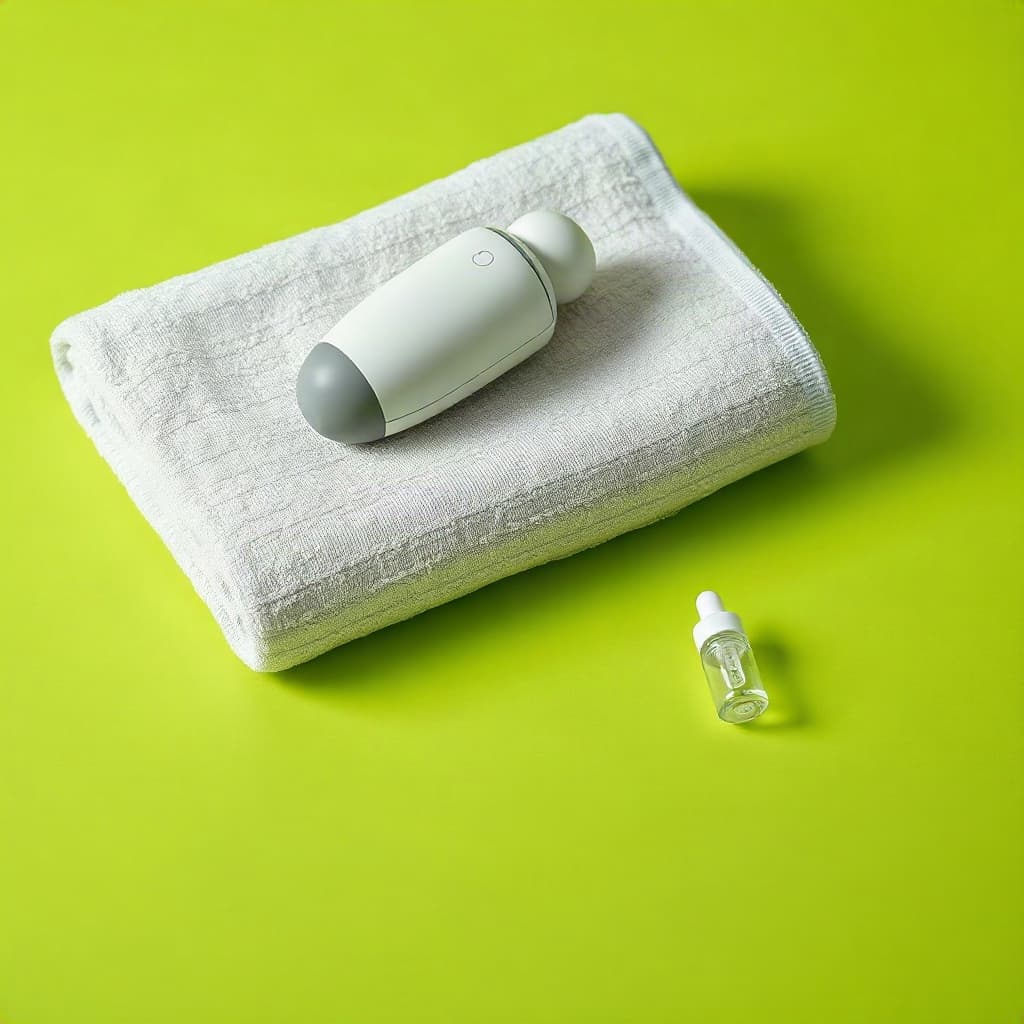
Handheld radiofrequency and similar devices for home use run at much lower energy than clinic machines, for safety reasons. That lower energy also means any effect is likely to be smaller, and good independent evidence is limited.
- Follow the instructions exactly, including session length and frequency. More is not better.
- Never use a device on broken, irritated, sunburned or infected skin, or over active breakouts.
- Do not use one if you are pregnant or have an implanted electronic device unless your doctor confirms it is safe.
- Stop if you notice burning, blistering or redness that lingers, and seek medical advice.
- Avoid devices with no clear manufacturer, instructions or safety information.
Treat home devices as an add-on with an uncertain payoff, not a substitute for sunscreen, a good routine or professional advice.
Questions people ask
How long do skin tightening results last?
It varies by person and technology. Because natural collagen loss continues, results gradually fade, and many people choose periodic maintenance treatments. A provider can tell you what is typical for the specific device they use.
Does non-invasive skin tightening hurt?
Most people describe heat, prickling or deep aching during treatment, and some technologies are more uncomfortable than others. Ask in advance about numbing cream, cooling or other ways the clinic manages discomfort.
Is non-invasive skin tightening as effective as a facelift?
No. Surgery physically repositions tissue and removes excess skin, so its results are more dramatic and longer lasting. Energy-based tightening is a gentler option for milder laxity, with less downtime and more modest change.
Can skin tightening be combined with other treatments?
Often, yes. Providers sometimes pair tightening with injectables, lasers or a prescription routine. The order and spacing matter, so let one qualified provider plan the whole sequence.
Liked this skincare story?
Get the next one first
One email a week: new stories and the few products worth buying.