Pimple Patch Guide: Which Type Works and How to Use It
A pimple patch can flatten a surfaced whitehead overnight. Here is which type to pick, how long to wear it, and when to see a dermatologist instead.
By the Beauty Sassy editors6 min read
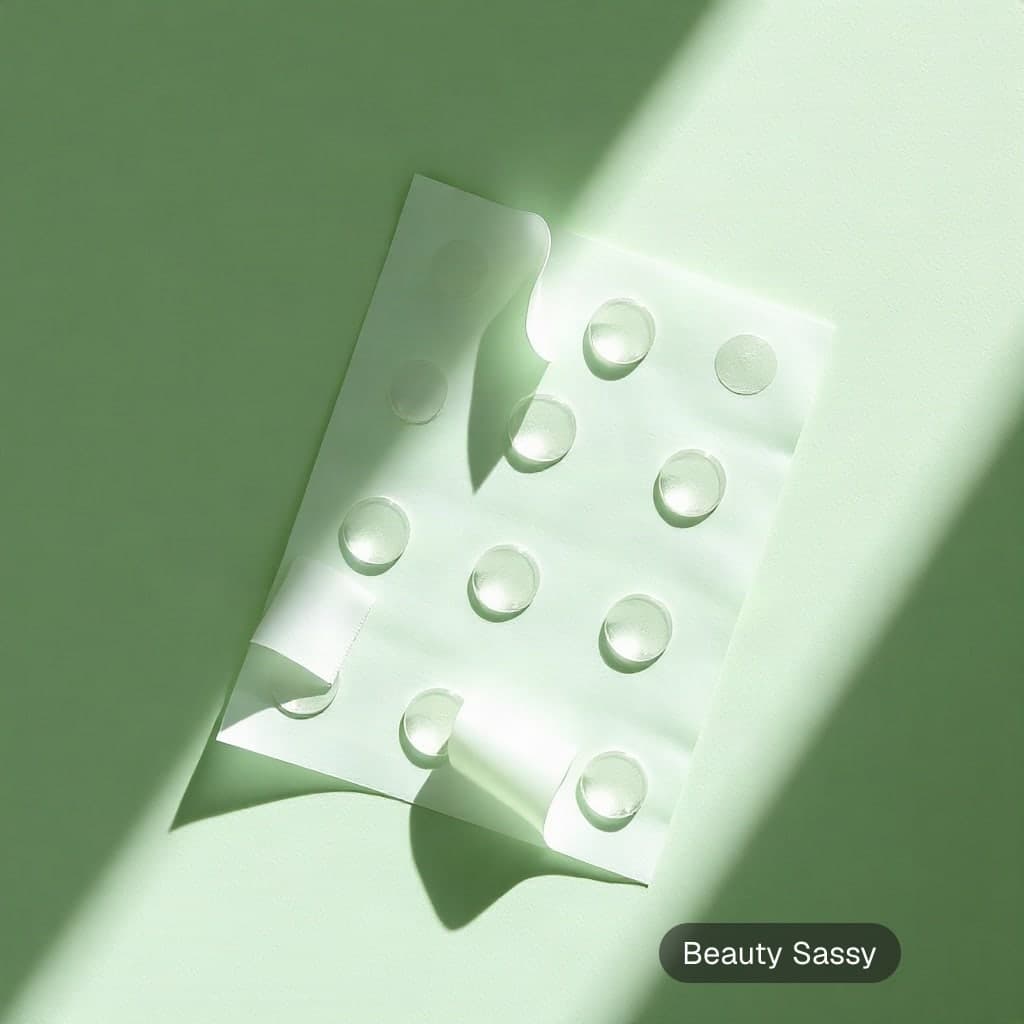
A pimple patch is a small sticker that covers a spot, absorbs fluid, and keeps your fingers off it while it heals. It works best on whiteheads and pimples that have already come to a head, and it does very little for deep, painful cysts or blackheads.
That is the short answer. The longer one depends on which kind of patch you buy, because there are three quite different types sold under the same name.
What is a pimple patch made of?
Most pimple patches are made of hydrocolloid, a gel-forming material that has been used in wound dressings for decades. Others add active ingredients or tiny dissolving points to reach a little deeper.
- Hydrocolloid patches. Plain, drug-free patches. They pull fluid and pus out of an open or surfaced spot and turn white as they absorb it. They also create a moist, protected space that helps the skin close up.
- Medicated patches. These usually contain salicylic acid, a beta hydroxy acid that loosens dead skin inside the pore, or tea tree oil, which has mild antibacterial properties. Some also include niacinamide or centella to calm redness.
- Microneedle or micropoint patches. These have rows of tiny dissolving points on the underside, often loaded with salicylic acid or similar ingredients. The points sit in the very top layer of skin to deliver ingredients to an early bump that has not surfaced yet.
If you are unsure, start with plain hydrocolloid. It is the gentlest option and the least likely to irritate sensitive or dry skin.
Which pimples do pimple patches actually work on?
Patches work best on whiteheads and pustules, the spots with a visible white or yellow center. They also help after a spot has opened on its own, because they protect it while it heals.
- Good fit: whiteheads, surfaced pustules, spots that have drained, and picked spots you want to stop touching.
- Sometimes helpful: small early bumps, using a micropoint or medicated patch. Results are less predictable here.
- Not a good fit: blackheads, closed comedones with no head, and deep nodules or cysts.
For blackheads, a patch has nothing to absorb, since the plug is solid and sits inside the pore. Our guide to blackhead removers covers what does work for those.
Do pimple patches work on cystic acne?
No, not in any meaningful way. Cystic acne sits deep in the skin, well below where a hydrocolloid patch can reach, and there is no fluid at the surface for it to pull out.
A patch on a cyst can still stop you from poking it, which is worth something. But it will not shrink it. Deep, painful lumps that last for weeks, or that leave dark marks or pitted scars, need a dermatologist. Prescription treatments can calm cysts and lower the risk of scarring in a way no sticker can.
How do you use a pimple patch, step by step?
Put it on clean, completely dry skin, and press it down firmly so the edges seal. Most problems with patches come from skipping one of those two things.
- Wash your hands. You are about to touch an open or nearly open spot.
- Cleanse the area gently with a mild cleanser and lukewarm water. Pat dry.
- Skip serums, oils and moisturizer on that spot. Any product underneath stops the patch from sticking.
- Peel the patch without touching the sticky side, and choose a size that covers the whole spot with a little margin.
- Press and hold for 10 to 20 seconds. The warmth of your finger helps the hydrocolloid grip.
- Apply the rest of your routine around it, not over it. If you need a refresher on order, see how to layer skincare.
- Remove it slowly, peeling from one edge while holding the skin flat.
How long should you leave a pimple patch on?
Leave a hydrocolloid patch on for about 6 to 8 hours, or until it has turned white and opaque. Overnight is the easiest way to get that time in.
Once the patch has gone fully white, it has absorbed what it can. Swap it for a fresh one if the spot is still draining. If nothing has changed after a full night, the spot is probably not ready, or it is not the kind of pimple a patch can help. Micropoint patches usually have their own wear time on the box, often a few hours, so follow that.
Can you wear makeup over a pimple patch?
Yes. Thin, matte patches with tapered edges are designed to sit under makeup, and a light layer of concealer can blur them.
- Apply the patch first, on bare skin, before any foundation or primer.
- Use a cream or liquid concealer and tap it on with a fingertip or small brush. Rubbing can lift the edges.
- Set lightly with powder so the patch does not look shiny.
- Keep sunscreen around the patch, not under it. Our face sunscreen guide has tips for textures that play well with makeup.
What mistakes make pimple patches less effective?
The big ones are putting the patch on the wrong spot, on damp or product-covered skin, or taking it off too soon.
- Patching a blackhead or cyst and expecting it to change.
- Applying over moisturizer or serum, so the patch slides off within an hour.
- Squeezing first and patching after. If a spot opens on its own, patch it. Forcing it open pushes debris deeper and raises the risk of a mark.
- Reusing a patch or wearing one that has already gone fully white.
- Using medicated patches on many spots at once, which can leave dry, flaky, irritated skin. This is worth watching if your skin already runs dry.
- Ignoring irritation. Redness, itching or a rash where the patch sat can mean a reaction to the adhesive or an active ingredient. Stop using that type.
When should you see a dermatologist about pimples?
See a dermatologist if your acne is painful, cystic, leaving scars or dark marks, or not improving after a couple of months of consistent over-the-counter care. Patches are a spot treatment, not a plan for ongoing breakouts.
A dermatologist can tell you what type of acne you have and offer treatments that work below the surface. Get checked sooner if breakouts appear suddenly as an adult, come with other symptoms, or affect how you feel about going out. If you just want a starting point for your everyday routine, our free AI Skin Read can suggest where to begin.
Questions people ask
Can you put a pimple patch on a popped pimple?
Yes, and this is one of the best uses for one. A hydrocolloid patch keeps the area clean, absorbs any leftover fluid, and stops you from picking at the scab. Just clean the spot gently and let it dry first.
Do pimple patches work overnight?
On a surfaced whitehead, you will often see a flatter, less angry spot by morning. On a deep or early bump, an overnight patch may not change much. That usually means the spot needs more time or a different treatment.
Are pimple patches safe for sensitive skin?
Plain hydrocolloid patches are generally gentle and suit most skin types. Medicated patches with salicylic acid or tea tree oil are more likely to sting or dry the skin. Try one patch first and watch for redness or itching.
How many pimple patches can you wear at once?
There is no fixed limit for plain hydrocolloid patches, but needing many every night is a sign your acne needs a broader routine. With medicated patches, use fewer at a time to avoid irritation. Frequent or widespread breakouts are a good reason to see a dermatologist.
Liked this skincare story?
Get the next one first
One email a week: new stories and the few products worth buying.