Vitamin C Serum: How to Choose It and Use It Right
A plain guide to vitamin C serum: L-ascorbic acid vs derivatives, which strength to buy, why it turns orange, and how to layer it with SPF and retinol.
By the Beauty Sassy editors6 min read
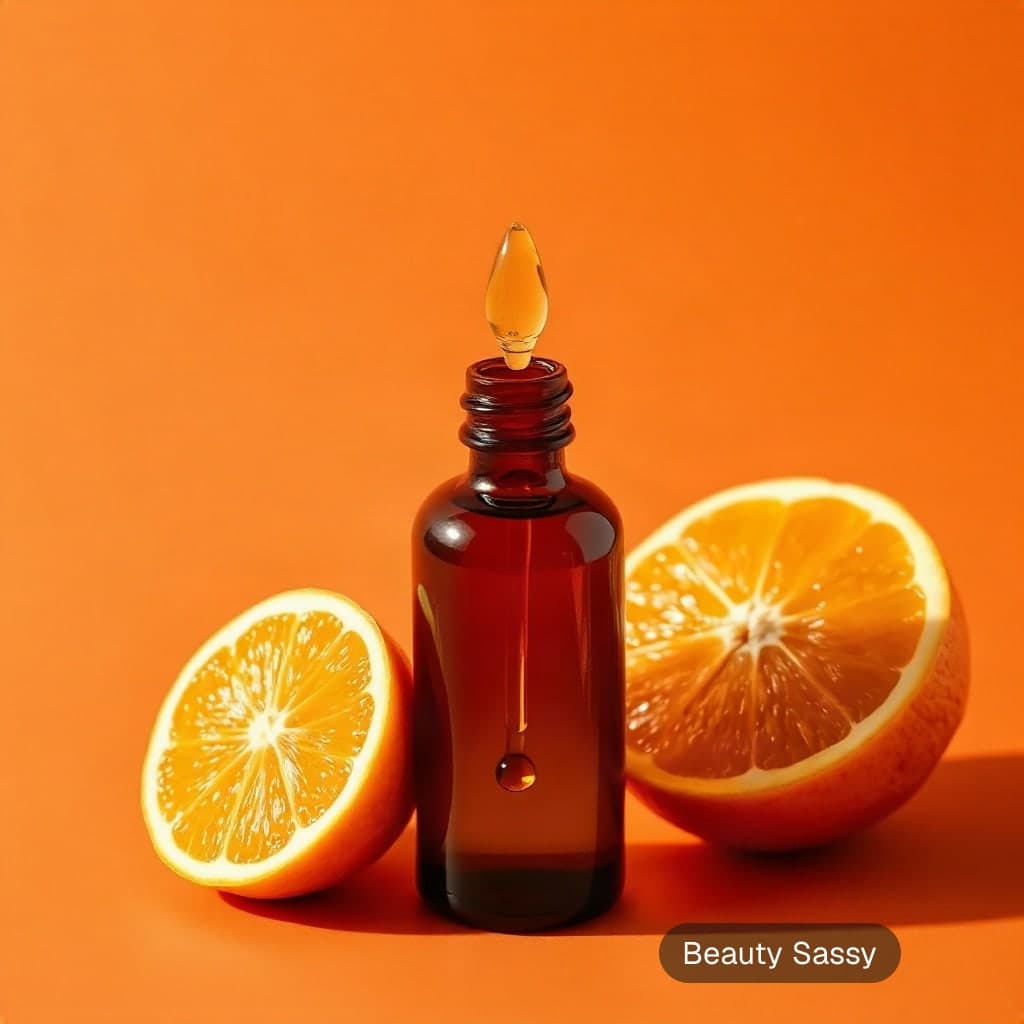
A good vitamin C serum for most people uses 10 to 20 percent L-ascorbic acid at a low pH, comes in an opaque, airtight bottle, and goes on in the morning before sunscreen. If your skin is sensitive, a gentler derivative at a lower strength is the better place to start.
Below, you will find what each form does, how to tell if your serum has gone off, and how to fit it in with retinol, niacinamide and SPF without irritation.
What a vitamin C serum does for your skin
Vitamin C is an antioxidant. On skin, it helps brighten dullness, even out dark spots over time, and support collagen, while adding protection against free radical damage from sun and pollution.
It works best alongside sunscreen, not instead of it. Vitamin C helps neutralize some of the damage UV light causes, but it does not block UV rays. Keep your daily SPF. Our sunscreen for face guide covers how to pick one you will actually wear.
L-ascorbic acid vs vitamin C derivatives: which form to choose
L-ascorbic acid is the most studied form and usually the most effective. Derivatives are more stable and gentler, but they have less research behind them and may need to convert in the skin first.
- L-ascorbic acid (LAA). The pure, active form. Strong evidence, but it is unstable and can sting. Best for normal, oily and resilient skin.
- Sodium ascorbyl phosphate and magnesium ascorbyl phosphate. Water soluble and more stable. Gentler, so they suit sensitive or acne-prone skin.
- Ascorbyl glucoside. Stable and mild. A common pick in brightening products for sensitive skin.
- Tetrahexyldecyl ascorbate. Oil soluble, often found in oil or cream textures. Well tolerated by dry and sensitive skin.
- 3-O-ethyl ascorbic acid. A more stable form that is gaining popularity. Still less studied than LAA.
If you want the most proven option and your skin tolerates it, pick L-ascorbic acid. If you have tried it and it stings, a derivative is a smart compromise.
What percentage of vitamin C serum is best
For L-ascorbic acid, 10 to 20 percent is the commonly used range. Above about 20 percent, irritation tends to rise without a clear gain in results.
- New to vitamin C or sensitive: start around 10 percent, or with a derivative.
- Used it before with no problems: 15 to 20 percent is a reasonable target.
- Derivatives: strengths vary widely by type and are not directly comparable to LAA percentages, so judge them by how your skin responds over a few months.
Why pH matters in an L-ascorbic acid serum
L-ascorbic acid needs an acidic formula, usually around pH 3.5 or lower, to get into the skin well. That low pH is also why it can tingle or sting.
Most brands do not print the pH on the bottle. A product that feels watery and gives a brief tingle is typical for LAA. If the tingle turns into burning or lasting redness, the formula is too strong for you right now. Derivatives work at a gentler pH, which is part of why they are easier on sensitive skin.
Why vitamin C serum turns orange, and when to throw it out
Vitamin C oxidizes when it meets air, light and heat. As it breaks down, the serum shifts from clear or pale yellow to orange and then brown. A deep orange or brown serum has lost much of its strength.
- Clear to pale straw: fresh and fine to use.
- Light yellow: starting to oxidize. Use it up soon.
- Dark orange or brown: time to replace it. It may also leave a faint tint on skin.
To make a bottle last:
- Buy a dark glass, opaque or airless pump bottle, not clear packaging.
- Close the cap tightly right after each use.
- Store it in a cool, dark spot away from the bathroom window. Some people keep it in the fridge.
- Pick a smaller size you will finish within about three months of opening.
Formulas that pair vitamin C with vitamin E and ferulic acid are often designed to slow this breakdown, and that combination is a good sign on a label.
How and when to apply vitamin C serum
Use it in the morning on clean, dry skin, before moisturizer and sunscreen. Morning use lets the antioxidant help defend against daytime UV and pollution.
- Cleanse and pat your face dry.
- Apply 3 to 5 drops of vitamin C serum to your face and neck.
- Wait a minute or so for it to absorb.
- Add any other serum you use, such as a hydrating one.
- Apply moisturizer.
- Finish with a broad spectrum SPF 30 or higher.
Give it time. Brightness can show up in a few weeks, while dark spots usually need around 2 to 3 months of daily use. For the full order with other products, see how to layer skincare.
Can you use vitamin C with retinol, niacinamide and acids
Yes, with a little planning. The simplest rule is vitamin C in the morning and retinol at night.
- Retinol: use them at different times of day. Both can irritate, so splitting them keeps your skin calmer.
- Niacinamide: you can use both. The old warning that they cancel each other out is not a real concern with modern formulas. If you notice flushing, apply them at different times.
- AHAs and BHAs: both are acidic, so stacking them can sting. Use acids at night, on nights you skip retinol.
- Benzoyl peroxide: it can oxidize vitamin C. Keep them in separate routines.
- Sunscreen: always pair them. They work better together than either does alone.
Building an anti-aging routine around a retinoid? Our wrinkle cream guide explains how the two fit together.
Who should use vitamin C serum, and who should be careful
Most adults can use vitamin C. It is especially helpful if you have dullness, uneven tone, dark spots or early signs of sun damage.
- Oily and normal skin: usually handles L-ascorbic acid in a light water-based serum.
- Dry skin: may prefer an oil soluble derivative or a serum followed by a rich moisturizer.
- Sensitive skin or rosacea: start with a derivative at a low strength, and patch test on your jawline for a few days first.
- Deeper skin tones with dark spots: vitamin C can be a gentle part of a plan for uneven tone. Combine it with daily sunscreen for the best chance of results.
A little tingling at first is common with L-ascorbic acid. Stop if you get burning, a rash, swelling or redness that lasts, and see a dermatologist if irritation does not settle after you stop. If you are pregnant or have a skin condition, it is worth checking with your doctor before adding new actives.
Questions people ask
Should I use vitamin C serum in the morning or at night?
Morning is the usual choice, because the antioxidant helps defend against daytime UV and pollution. Night use is fine too if mornings are rushed, as long as you keep it apart from your retinol.
Can I use vitamin C serum every day?
Yes, most people use it once daily. If it stings, drop to every other day for a couple of weeks or switch to a lower strength.
Is it bad if my vitamin C serum turned orange?
It means the vitamin C has oxidized and lost strength. A pale yellow tint is fine to finish, but a dark orange or brown serum should be replaced.
Does vitamin C serum replace sunscreen?
No. Vitamin C helps with some of the damage UV causes, but it does not block UV rays. Always finish your morning routine with a broad spectrum SPF 30 or higher.
Liked this skincare story?
Get the next one first
One email a week: new stories and the few products worth buying.