Skin Tones and Undertones: How to Find Your Match
Skin tones and undertones explained: tell warm, cool, neutral and olive apart with simple at-home tests, then match foundation and concealer the first time.
By the Beauty Sassy editors6 min read
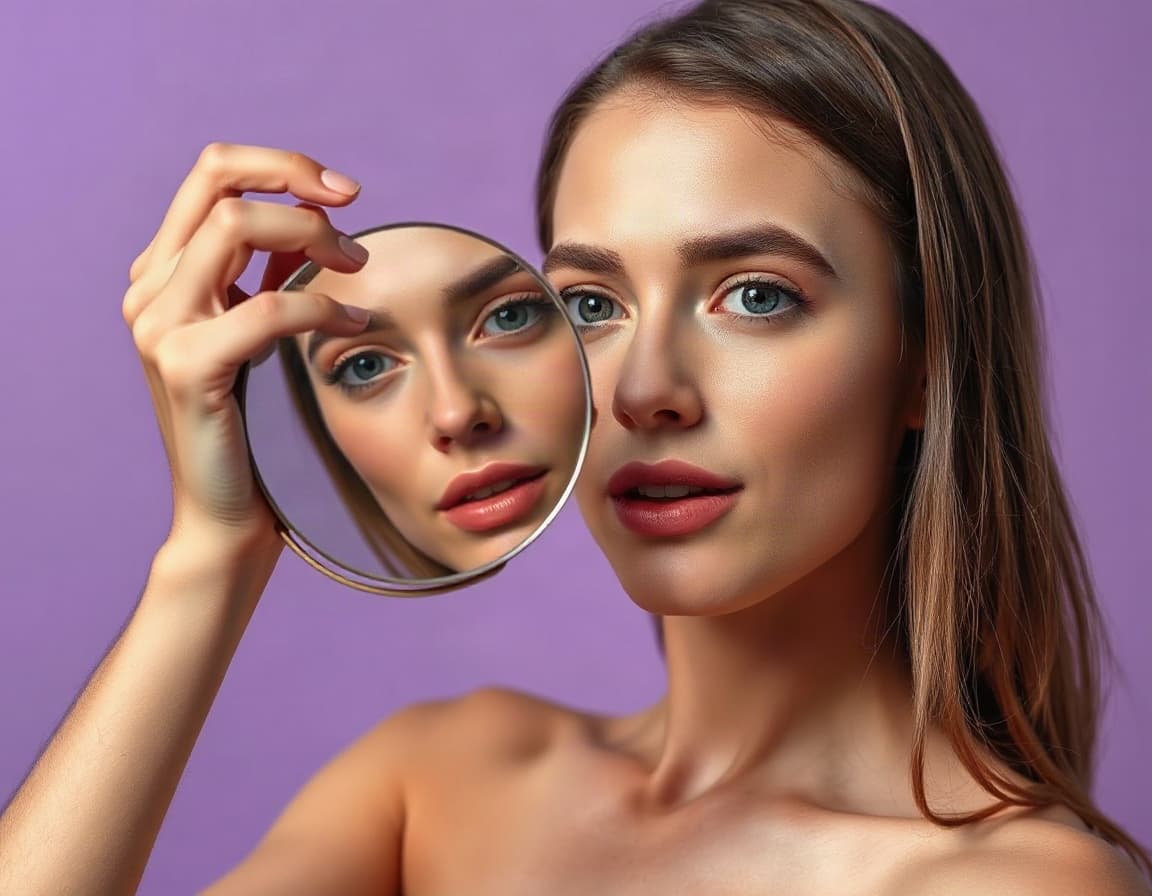
Skin tone is how light or deep your skin looks on the surface. Undertone is the color that sits underneath it, and it is usually warm, cool, neutral or olive. You need both to match foundation and concealer: tone tells you how light or deep to go, and undertone tells you which family of shades will actually disappear on your skin.
Skin tone vs undertone: the difference that matters
Think of skin tone as the depth of your color. Makeup shade ranges usually group it into fair, light, medium, tan, deep and rich, with plenty of steps in between. Your tone can shift a little through the year. Many people are a shade or two deeper in summer and lighter in winter.
Undertone is steadier. It is the hue that shows through, and it stays the same whether you are at your lightest or your most sun-kissed. Two people can share the same depth and look completely different in the same foundation because their undertones do not match.
- Warm: golden, peachy or yellow. Skin tends to look sunny, and gold jewelry often looks especially good.
- Cool: pink, red or bluish. Skin can flush easily, and silver often looks brighter than gold.
- Neutral: a balance of warm and cool, so neither clearly wins. Both gold and silver tend to work.
- Olive: a green or gray cast layered over a warm or neutral base. Olive skin is easy to mislabel, and it gets its own section below.
One more distinction: skin tone is not the same as your Fitzpatrick skin type. That scale describes how your skin responds to sun, from always burning to rarely burning. It is useful for sun protection, but it does not tell you your undertone.
How to find your undertone at home
Do these tests with a bare face, in natural daylight near a window, and away from colored walls that bounce tint onto your skin. Wait a while after cleansing or exercise, since flushing makes everyone look cooler than they are. No single test is perfect, so try several and look for the answer that keeps coming up.
- The vein test. Look at the veins on the inside of your wrist. Veins that look blue or purple suggest cool. Veins that look green suggest warm. If you genuinely cannot decide, you may be neutral. This test is harder to read on deeper skin, so lean on the others.
- The white fabric test. Hold a bright white towel and then an off-white or cream one up to your bare face. If bright white makes you look clear and fresh, you likely lean cool. If cream flatters you more and bright white makes you look sallow, you likely lean warm.
- The jewelry test. Hold gold and then silver close to your face and neck. Notice which one makes your skin look healthier rather than which one you prefer.
- The sun test. Think about how your skin reacts to sun without protection. Burning pink before tanning often points cool. Tanning easily toward golden or bronze often points warm. Treat this one as a hint only, and wear sunscreen on your face whatever your answer.
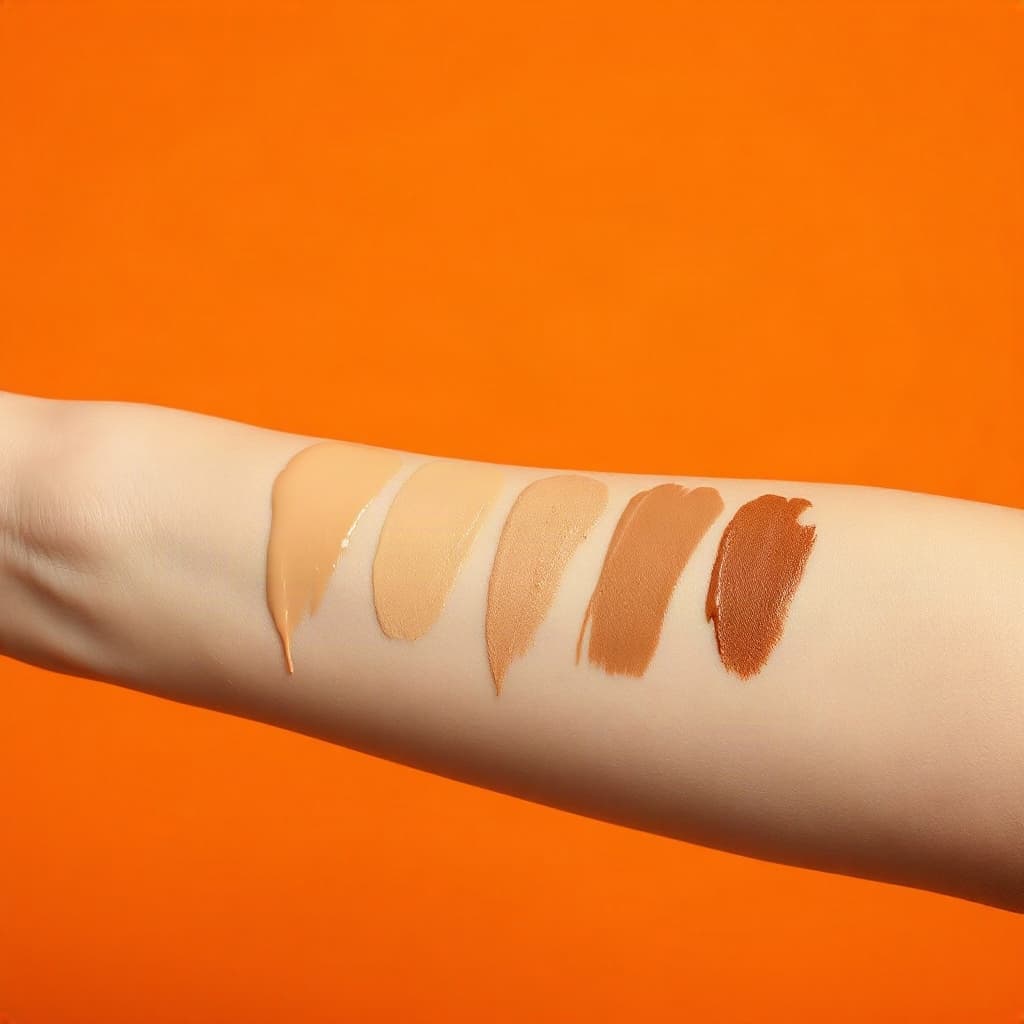
- The jawline swatch. Stripe a pink-leaning and a yellow-leaning foundation of similar depth side by side on your jaw. The one that vanishes is your undertone family.
Olive undertones: why foundation keeps looking wrong
Olive skin has a muted green or gray quality that sits on top of a warm or neutral base. It shows up across a wide range of depths, from light to deep. Olive skin is often described as looking ashy or gray in pink foundations and orange in yellow ones, because neither family accounts for the green.
Signs you may be olive:
- The vein test reads green, but warm foundations still look too orange.
- Your skin looks slightly gray or greenish in cool light, especially around the mouth and jaw.
- Both gold and silver look fine, but neither looks clearly better.
- Your skin rarely looks rosy, even when your cheeks are flushed.
Look for shades described as olive, or neutral shades with a yellow-green cast rather than a peach or pink one. If your local options do not include olive, mixing a drop of a warmer shade into a neutral can get you closer.
How to match foundation to your skin tone
Your face and neck are often slightly different colors, and your face may have redness the rest of you does not. Match to the area where your face meets your neck so there is no visible line.
- Prep as you normally would. Moisturizer and sunscreen can shift how foundation sits and looks, so test over your usual base.
- Choose three shades. Pick the one you think is right, one a step lighter and one a step deeper, all in your undertone family.
- Swatch on the jaw. Draw a stripe of each from your cheek down onto your jawline. Avoid the back of your hand, which is usually a different color from your face.
- Check in daylight. Step to a window or outside. Store and bathroom lighting both distort color.
- Wait before deciding. Give the swatches at least fifteen minutes. Some formulas oxidize and turn deeper or warmer as they settle and mix with your skin's oils.
- Pick the one that disappears. The right shade does not lighten, darken or tint you. It just looks like your skin, only more even.
If you land between two shades, buy both and mix. It also lets you adjust through the seasons. Matching shades is easier when you know how your skin behaves too: an oily or dry surface changes how a formula wears, and our skin type test sorts that out with a bare face and a few hours.
Choosing concealer for your undertone
Concealer has two jobs, and they need different shades.
For spots, redness and marks, match your foundation exactly, same depth and same undertone. A lighter concealer on a blemish draws a halo around it.
For under the eyes, go about one shade lighter than your foundation in the same undertone. This brightens without looking gray or chalky. Going more than a shade or two lighter usually makes the area look dry and obvious.
Dark circles that look blue or purple often need a corrector first, chosen by depth:
- Fair and light skin: a soft pink or light peach corrector.
- Medium skin: peach or apricot.
- Deep and rich skin: orange or deep red-orange.
Use a thin layer only where the darkness is, then pat concealer over it. For redness from breakouts or irritation, a sheer green corrector under concealer neutralizes it. Keep the green light, or it will show through as gray.
Using undertone beyond foundation
Undertone helps with color choices across your whole face. Warm undertones tend to glow in peach, coral, terracotta and bronze. Cool undertones often look brightest in rose, berry, mauve and plum. Neutral undertones can move between both. Olive skin often looks great in warm browns, brick and muted rose.
These are tendencies, not rules. Depth matters as much as undertone: a sheer berry can look lovely on fair warm skin, and a rich coral can be stunning on deep cool skin. Undertone also shapes how bronzer and contour read, which matters once you start placing shadow for your face shape.
Questions people ask
Can your undertone change?
Your undertone generally stays the same throughout your life. What changes is your surface tone, with sun, season or skin conditions such as redness, which can make your undertone harder to read.
What if every test gives me a different answer?
You are probably neutral or olive. Start with neutral foundation shades and check whether they look gray, which points to olive, or slightly sallow, which points back toward warm or cool.
Is olive skin warm or cool?
Olive sits on a warm or neutral base with a green or gray cast on top. It is often treated as its own category because standard warm and cool shades both tend to miss.
Should my foundation match my face or my neck?
Aim for the point where they meet, along the jawline. If your face is noticeably lighter or redder than your neck, choose the shade that bridges the two so there is no line.
Liked this makeup story?
Get the next one first
One email a week: new stories and the few products worth buying.