Affordable Skin Care: A Simple Routine That Works
Affordable skin care that works: build a full routine from cleanser, moisturizer and sunscreen, learn which ingredients pay off, and see where to save.
By the Beauty Sassy editors6 min read
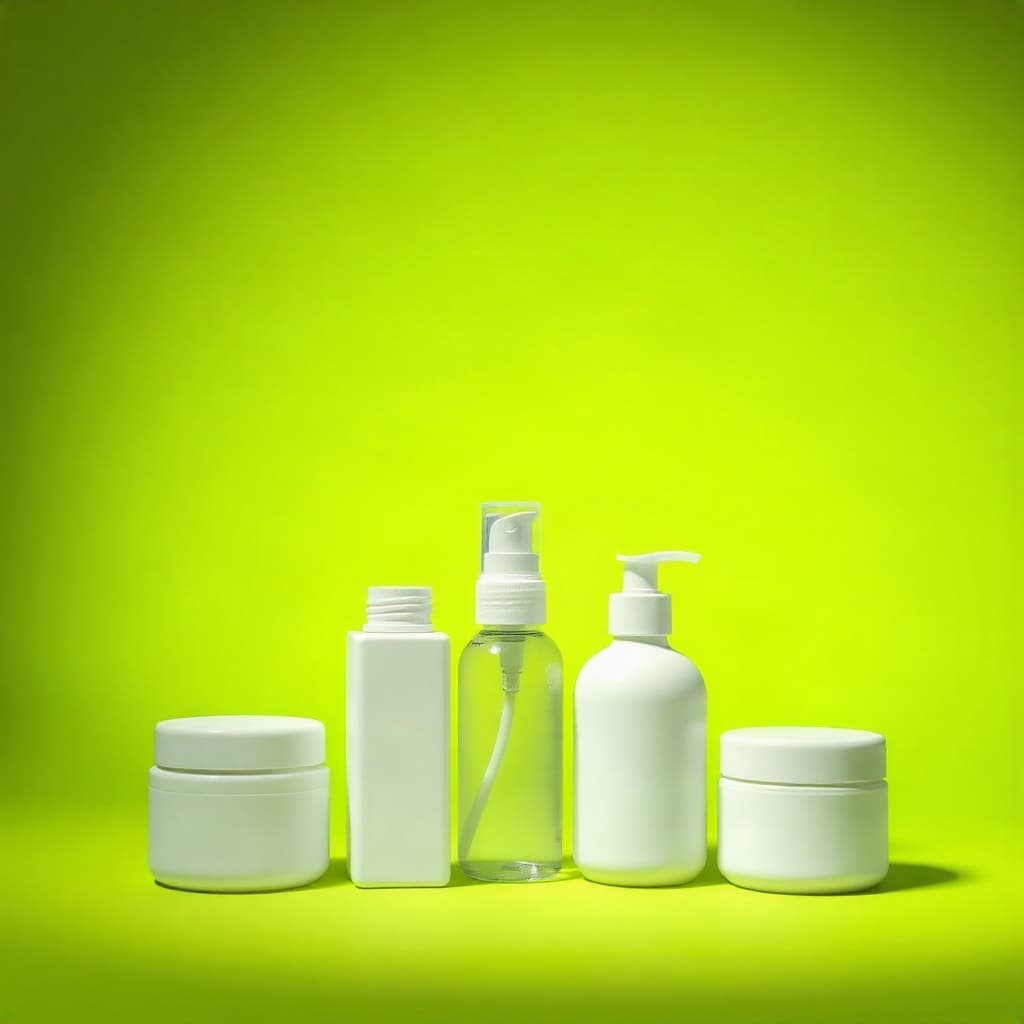
Affordable skin care comes down to three basics: a gentle cleanser, a moisturizer that suits your skin, and a broad-spectrum sunscreen of SPF 30 or higher worn every morning. Those steps cover most of what skin needs, and all three can be bought inexpensively. Add one well-chosen active ingredient later if you have a specific goal, and spend on formulas you will actually finish.
Start with the three products that do the heavy lifting
Price and performance are only loosely linked in skincare. A cleanser rinses off within a minute, so paying for rare extracts in it makes little sense. A moisturizer's job is to soften skin and slow water loss, which simple, well-made formulas do reliably. Sunscreen is the step with the strongest evidence behind it for preventing sunburn, dark spots and visible aging, and the best one is the one you are happy to wear every day.
- Cleanser: look for a gentle cream, gel or low-foam formula. If your face feels tight or squeaky afterward, it is too stripping for you.
- Moisturizer: lighter gel-creams for oily skin, richer creams for dry skin. Fragrance-free is the safer bet if you react easily.
- Sunscreen: broad-spectrum, SPF 30 or higher. Mineral filters (zinc oxide, titanium dioxide) and chemical filters both work, so choose by texture and finish. Our guide to sunscreen for your face covers how much to apply and when to reapply.
Knowing your skin type first saves you from buying the wrong textures. Our bare-face skin type test takes a few minutes, or try our free AI Skin Read, which suggests a skin type and a starting routine from one photo.
Budget skincare ingredients that earn their place
Many of the best-researched ingredients have been around for decades. That means they are widely made, well understood and often cheap. These are the ones worth scanning labels for.
- Glycerin and hyaluronic acid: humectants that draw water into the outer layer of skin. Glycerin is one of the most studied moisturizing ingredients there is, and it turns up in countless low-cost formulas.
- Ceramides, cholesterol and fatty acids: lipids that support the skin barrier. Helpful for dry, sensitive or easily irritated skin.
- Petrolatum: an occlusive that seals moisture in. Unglamorous and very effective for dry patches, chapped lips and cracked knuckles.
- Niacinamide: a form of vitamin B3 that can help with oiliness, redness and the look of uneven tone, and is generally well tolerated.
- Retinoids: the best-studied topical ingredients for fine lines, texture and breakouts. Over-the-counter retinol and adapalene are both easy to find at accessible prices. Start slowly, and skip them if you are pregnant or trying to conceive.
- Salicylic acid, benzoyl peroxide and azelaic acid: targeted helpers for clogged pores, breakouts and uneven tone.
You do not need all of these. Pick the one or two that match your main concern and give each several weeks before you judge it. If dryness is your biggest issue, our dry skin treatment guide goes further.
Where to save and where spending more can make sense
Saving is easy in some categories and a false economy in others. Here is how to split a small budget.
Save on: cleansers, basic moisturizers, body lotion, petrolatum balms, makeup removers and most toners. These are simple formulas, and expensive versions rarely do anything a basic one cannot.
Consider spending a little more on: sunscreen and any active you plan to use for months. With sunscreen, a texture you enjoy is what gets you to apply enough every single day. If cheaper options pill, sting or leave a cast you dislike, paying more for one you will wear is money well spent. With actives such as vitamin C and retinoids, formulation and packaging matter. Pure vitamin C (L-ascorbic acid) breaks down with exposure to light and air, so opaque, airtight packaging helps it stay effective. Gentler, well-buffered retinoid formulas can also be easier to stick with, and consistency is what produces results.
Do not pay extra for: vague marketing words without an ingredient list to back them, rare botanical extracts, gold flakes, caviar or crushed gemstones. A long list of exotic ingredients can raise the chance of irritation without adding much benefit.
One more point on value. If you have persistent acne, rosacea or pigmentation, a visit to a dermatologist can cost less over time than buying product after product that does not help. Prescription options often work where store-bought ones stall.
A complete affordable skin care routine, morning and night
Here is a full routine built from inexpensive product types. Products go on roughly from thinnest to thickest. Our guide to layering skincare in the right order explains why that matters.
Morning
- Rinse with lukewarm water, or use your gentle cleanser if your skin feels oily.
- Optional: one treatment serum, such as niacinamide or vitamin C.
- Moisturizer, if your sunscreen alone does not feel hydrating enough.
- Sunscreen, SPF 30 or higher, applied generously to face, ears and neck. Two finger lengths of product is a common guide for the face and neck.
Night
- Cleanse to remove sunscreen, makeup and the day's grime. If you wear long-wear makeup or water-resistant sunscreen, an inexpensive cleansing oil or balm first makes this easier.
- Treatment, if you use one: a retinoid two or three nights a week to start, or an exfoliating acid on a different night. Avoid stacking several strong actives on the same evening.
- Moisturizer. On very dry nights, press a thin layer of petrolatum over dry areas to lock it in.
That is the whole routine: up to four products in the morning and three at night. Anything beyond it should solve a problem you actually have.
How to make skincare products last longer and cost less
- Buy big only for proven basics. Try any new active in the smallest size first.
- Patch test before committing. Apply a little behind the ear or on the inner forearm for several days and watch for redness or itching.
- Use the right amount. A few drops of serum is usually enough. More product rarely means faster results. It usually means more irritation and an empty bottle sooner.
- Store products well. Keep them away from heat and sunlight, and close lids firmly.
- Check the period-after-opening symbol. It looks like a small open jar with a number such as 12M, showing how many months a product is meant to last once opened.
- Let products multitask. A plain moisturizer can work for face, neck and hands. A tinted sunscreen can stand in for a separate base on easy days.
The biggest saving of all is to stop buying products to fix problems caused by other products. Over-exfoliating causes stinging, redness and flaking, which people then try to soothe with more serums. Cutting back usually works better and costs nothing.
Questions people ask
Is cheap skincare as good as expensive skincare?
Often, yes. Results depend on ingredients, concentration, formulation and how consistently you use a product, not on the price tag. Many inexpensive cleansers, moisturizers and sunscreens perform as well as costly ones, so read the ingredient list rather than the label on the front.
What is the one product to buy if money is very tight?
Sunscreen. Daily broad-spectrum protection helps prevent sunburn, dark spots and visible aging, and it lowers your risk of skin cancer. A basic moisturizer is the next priority.
How long before I see results from a new product?
Moisturizers make a difference within days. Ingredients such as niacinamide, retinoids and azelaic acid usually need several weeks to a few months of steady use. Change one thing at a time so you can tell what is working.
Do I need a toner or essence?
No. They can feel pleasant, and hydrating versions add a light layer of moisture, but they are optional. On a tight budget, skip them and put the money toward sunscreen.
When should I see a dermatologist instead?
Book an appointment for acne that leaves marks or scars, redness that will not settle, a rash that keeps returning, or any mole or spot that changes in size, shape or color. Those need a professional assessment, not another product.
Liked this skincare story?
Get the next one first
One email a week: new stories and the few products worth buying.