Dry Skin Treatment That Works for Tight, Flaky Skin
Our dry skin treatment guide covers gentle cleansing, the moisturizer ingredients that work, habits to drop and when flaky skin needs a dermatologist.
By the Beauty Sassy editors6 min read
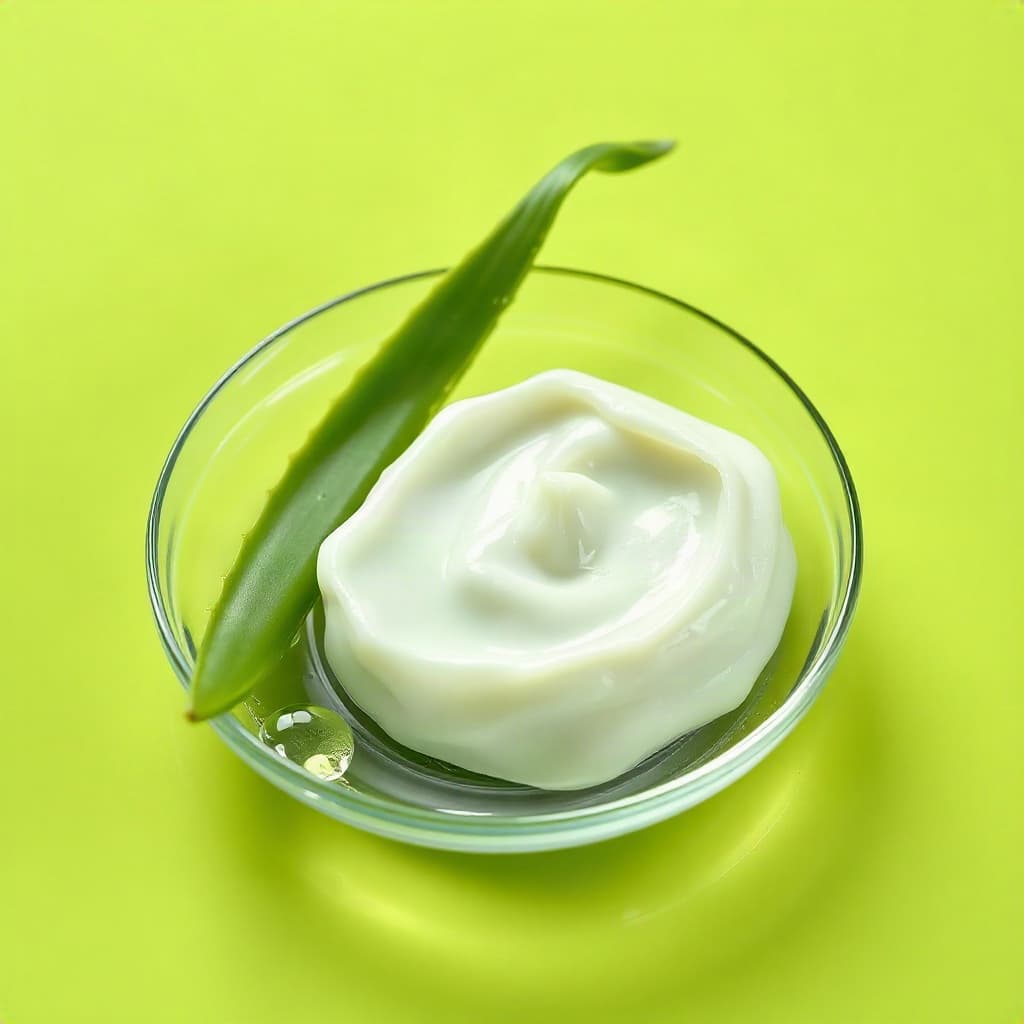
The most effective dry skin treatment is simple: cleanse gently with lukewarm water, then apply a fragrance-free moisturizer that combines humectants, emollients and occlusives while your skin is still damp. Protect your skin barrier by cutting back on hot showers, harsh soaps and over-exfoliating, and see a dermatologist if your skin cracks, bleeds, itches intensely or doesn't improve within a few weeks.
Why your skin gets dry
The outermost layer of your skin works like a brick wall. The bricks are flattened skin cells, and the mortar is a blend of lipids, including ceramides, cholesterol and fatty acids. When that mortar thins out, water escapes more easily, and skin starts to feel tight, rough or flaky. Dermatologists call this transepidermal water loss, and slowing it down is the whole point of treatment.
Common triggers include:
- Cold, dry air. Winter heating and low humidity pull moisture out of skin.
- Hot water and long showers. Heat strips natural oils faster than you might expect.
- Harsh cleansers. High-foaming soaps can leave skin feeling squeaky, which usually means protective lipids have been washed away.
- Over-exfoliating. Too many acids, scrubs or retinoids at once can weaken the barrier.
- Age. Oil production tends to drop over time, so many people find their skin gets drier as they get older.
- Underlying conditions. Eczema, psoriasis, thyroid problems and some medications can all cause dryness that needs medical care.
It also helps to tell a dry skin type apart from dehydrated skin. Dry skin makes too little oil and tends to stay that way. Dehydrated skin is short on water and can happen to anyone, including people with oily skin. If you're not sure which describes you, our bare-face skin type test walks you through it with nothing but a clean face.
A dry skin treatment routine, step by step
You don't need a long routine. You need the right few steps, done every day.
- Cleanse gently, once or twice a day. Choose a cream, milk or low-foam cleanser without fragrance. In the morning, a splash of lukewarm water is often enough for very dry skin.
- Pat, don't rub. Use a soft towel and leave your skin slightly damp.
- Add a hydrating serum if you like one. A serum with glycerin or hyaluronic acid adds water-binding ingredients. It's optional, not essential.
- Moisturize within a few minutes. Applying moisturizer to damp skin helps hold water in. Reach for a cream or ointment rather than a thin lotion if your skin feels tight.
- Wear sunscreen every morning. Sun exposure damages the barrier over time. Cream textures tend to suit dry skin best, and our guide to sunscreen for your face covers formulas for every skin type.
- Seal at night if needed. On very dry patches, a thin layer of petrolatum or a balm over your moisturizer can reduce water loss while you sleep.
If you're adding serums or actives, order matters. Thin, watery products go first and thicker ones last. Our guide on how to layer skincare explains the sequence in detail.
Moisturizer ingredients that help dry skin
Labels can be confusing, so sort ingredients by what they do. A good moisturizer for dry skin usually contains something from each of these three groups.
Humectants draw water in
Glycerin, hyaluronic acid, urea, panthenol and lactic acid attract water into the top layer of skin. Glycerin is inexpensive and has a long track record. Urea and lactic acid also loosen flakes gently, which makes them useful for rough patches on elbows, knees and heels.
Emollients smooth the surface
Ceramides, fatty acids, squalane and plant oils fill the gaps between skin cells, so the surface feels softer and looks less flaky. Ceramides are especially helpful because they're one of the lipids your barrier is naturally made of.
Occlusives lock it all in
Petrolatum, dimethicone, shea butter and lanolin form a light film that slows water loss. Petrolatum is one of the most effective occlusives available and rarely irritates, though some people find it too heavy for daytime. Lanolin can trigger allergies in a small number of people, so patch test it first.
Good moisturizers don't need to be expensive. Plain, fragrance-free formulas from the pharmacy shelf often work as well as pricier jars. Our roundup of affordable skin care shows what to look for on a budget.
Habits that make dry skin worse
- Showers longer than ten minutes, or water hot enough to turn your skin pink.
- Fragranced products, including scented body washes and laundry detergents, if your skin is sensitive.
- Alcohol-heavy toners and astringents.
- Daily physical scrubs. If flakes bother you, try a gentle lactic acid product once or twice a week instead.
- Stacking several strong actives, such as a retinoid, a vitamin C serum and an exfoliating acid, in the same routine.
- Picking or peeling flakes, which can cause small tears and more irritation.
A humidifier in your bedroom during winter can also make a noticeable difference, especially if you wake up with tight skin or chapped lips.
Treating dry skin on hands, body, feet and lips
Facial skin gets most of the attention, but dryness often shows up first elsewhere.
- Hands: Keep a hand cream by the sink and apply it after every wash. Wear gloves for dishes and cleaning. At night, a thick layer of ointment under cotton gloves can help cracked knuckles.
- Body: Moisturize within minutes of stepping out of the shower. Creams with urea or lactic acid work well on rough arms and legs, but they can sting broken skin.
- Feet: Heels have thick skin that cracks easily. A urea cream used daily, plus cotton socks at night, often softens them over a few weeks.
- Lips: Choose a balm without fragrance, menthol or flavoring, and try not to lick your lips, which dries them further. Use a lip balm with SPF in the daytime.
Makeup can cling to dry patches, so prep matters. Apply a thin layer of moisturizer and give it a few minutes to sink in before foundation. Cream blush and cream bronzer usually sit more smoothly on dry skin than powders.
When dry skin needs a dermatologist
Most dry skin responds to gentle, consistent care. Book an appointment with a dermatologist or your doctor if:
- Your skin is cracked, bleeding, oozing or painful.
- Itching is keeping you awake at night.
- Red, scaly or thickened patches keep coming back.
- Dryness appears suddenly or covers large areas of your body.
- Two to three weeks of steady moisturizing hasn't helped.
These can be signs of eczema, psoriasis, a fungal infection or another condition that needs a proper diagnosis and possibly prescription treatment. Don't keep trying new products on skin that's getting worse.
Questions people ask
What is the fastest way to treat dry skin?
Switch to a gentle cleanser, shorten hot showers and apply a thick, fragrance-free cream or ointment to damp skin twice a day. Many people notice softer skin within days, though fully repairing the barrier takes longer.
Does drinking more water cure dry skin?
Staying hydrated supports your overall health, but there's little evidence that drinking extra water fixes dry skin on its own if you already drink enough. Moisturizers and gentler habits make a far bigger difference.
Is coconut oil good for dry skin?
It can soften dry skin on the body, and some people like it. On the face, it may clog pores if you're prone to breakouts. A moisturizer made with ceramides and humectants is usually a more reliable choice.
Can dry skin cause wrinkles?
Dry skin doesn't cause wrinkles, but it can make fine lines look more obvious. Moisturizing plumps the surface for a while. For lasting change, sun protection and retinoids do the heavy lifting, as we explain in our guide to anti wrinkle skin care.
Liked this skincare story?
Get the next one first
One email a week: new stories and the few products worth buying.