Makeup Vanity Setup: How to Build One That Works at Home
Set up a makeup vanity that works: where to put it, the right lighting, mirror and seating, storage that stays tidy, hygiene habits and small-space ideas.
By the Beauty Sassy editors6 min read
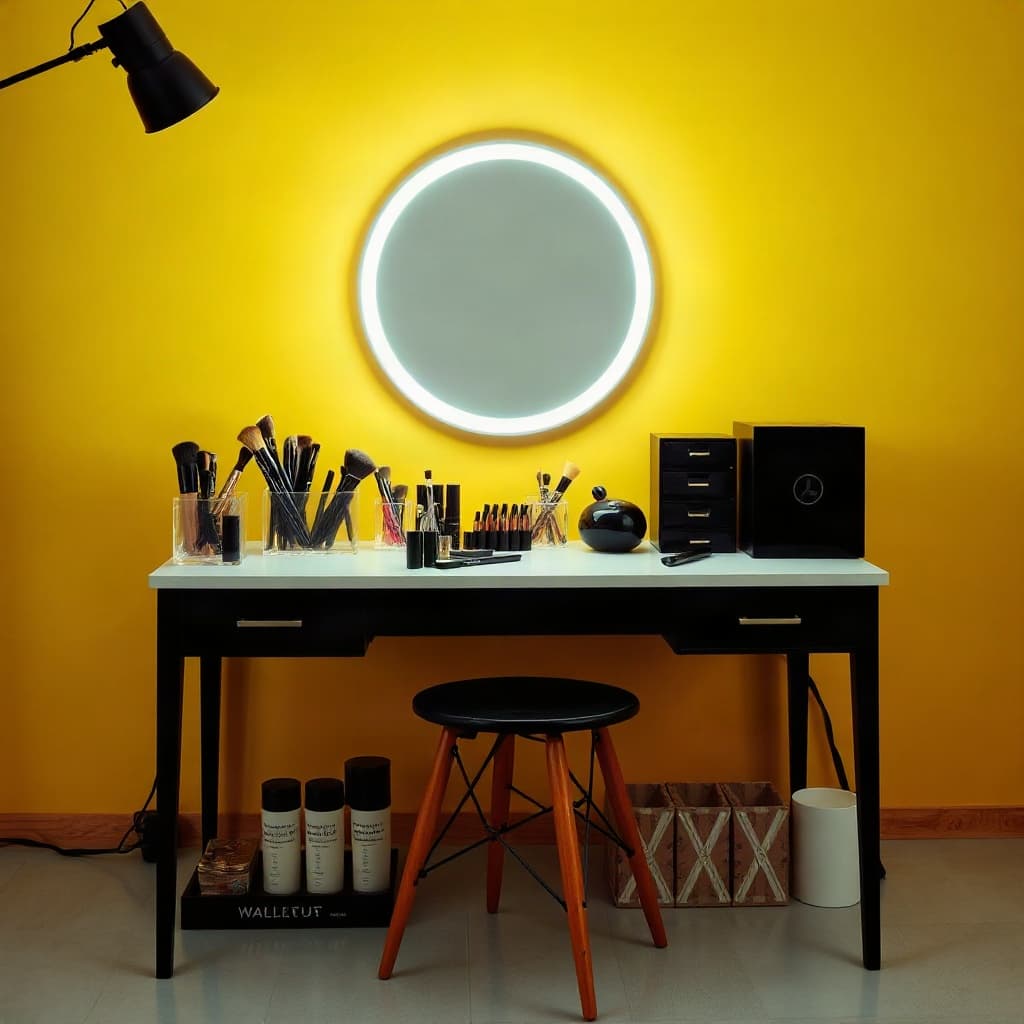
A good makeup vanity comes down to four things: a spot with room to sit comfortably, even daylight-balanced light falling on your face from the front, a clear mirror at eye level, and storage that keeps your everyday products within reach. Get those right and the furniture itself matters far less. Everything else is about keeping it clean and fitting it to your space.
Choosing the right spot for your makeup vanity
Start with location, because it decides your lighting, your storage and how often you'll actually use the setup.
- Bedrooms and dressing areas are usually best. They're dry, stable in temperature and close to your clothes.
- Bathrooms are convenient but humid. Steam can make powders cake, warp packaging and leave brushes damp. If the bathroom is your only option, keep products in closed drawers and run the fan.
- Near a window is ideal if you can sit facing it. Natural light on your face is the most honest light there is. Avoid sitting with a window behind you, which throws your face into shadow.
- Away from heat such as radiators, heating vents and strong afternoon sun. Heat can soften lipsticks, separate formulas and spoil fragrance.
Measure before you buy anything. You need enough depth for a mirror plus a working area in front of it, and enough clearance behind the chair to sit and stand without bumping a bed or wall.
Vanity lighting: why daylight-balanced, even front light matters
Lighting is the single biggest factor in whether your makeup looks right when you walk out the door. Poor light leads to foundation that doesn't match, blush that goes on too heavy and patches you forgot to blend.
Color temperature. Warm, yellowish bulbs flatter skin but hide redness and make it hard to judge foundation and concealer. Very cool, bluish light can push you to add too much warmth. Daylight-balanced bulbs, often labeled around 5000K, sit in between and show color closest to natural daylight. That makes it easier to match base products to your real skin tone.
Color accuracy. Check the box for the color rendering index, shown as CRI. The closer it is to 100, the more truthfully the light shows color. Two bulbs with the same color temperature can render skin very differently.
Direction. Light should reach your face evenly from the front. Overhead light on its own casts shadows under your eyes, nose and chin, which tempts you to over-conceal. The best setups put light on both sides of the mirror at roughly face height, or all around the frame. Two vertical light bars or a ring of light both work.
Brightness control. A dimmable light lets you check your face in bright light for daytime and softer light for evenings. Even with great lighting, take a final look in natural light before you leave, especially when you're trying a new foundation or a bolder makeup look.
Picking a mirror and seating
Your main mirror should sit at eye level when you're seated, and it should be big enough to show your full face, neck and the top of your shoulders. That lets you blend foundation down the jaw and check that your face and neck match.
A small magnifying mirror is useful for detail work like liner, brows and lashes. Use it for precision only. Judging your whole face under magnification often leads to overworking your skin and piling on product.
For seating, choose a chair or stool that puts your eyes level with the center of the mirror and lets your feet rest flat on the floor. A backrest helps if your routine runs long. Adjustable height is worth having if more than one person uses the space. Make sure the seat tucks under the surface so it doesn't block the room when you're done.
Storage and organization that stays tidy
The goal is simple. What you use daily should be within arm's reach, and everything else should be out of sight but easy to find.
- Edit first. Pull everything out. Toss anything that has separated, dried out or smells off, and set aside what you never use.
- Group by step. Skin prep, base, eyes, cheeks, lips and tools. When products are grouped by where they go on your face, your routine follows the layout.
- Use shallow drawers with dividers. Deep drawers turn into piles. Shallow ones with dividers let you see everything at a glance.
- Stand brushes upright in a cup or holder, bristles up, so they stay clean and keep their shape. Our guide to makeup brushes covers which ones you actually need.
- Keep the surface minimal. Leave out only what you reach for every day. A tray corrals those items and makes wiping down quick.
- Give fragrance a shaded spot. Light and heat break perfume down, so keep bottles in a drawer or a corner out of the sun. Our guide to the best perfume for women explains how to store and wear scent well.
A smaller, carefully chosen kit is easier to organize and keep fresh. If you're rethinking what earns a place on your vanity, our guide to clean makeup is a useful starting point.
Keeping your vanity hygienic
A vanity collects dust, spilled powder and bacteria from brushes and fingers. A few habits keep it clean without much effort.
- Wash brushes and sponges regularly, and let them dry completely before putting them away.
- Look for the period-after-opening symbol on packaging, a small open-jar icon with a number of months. Use it as a guide for when to replace products, especially liquids and eye products.
- Close lids and caps right after use to keep out dust and air.
- Sharpen pencils before use to expose a fresh surface.
- Wipe down the surface and mirror once a week.
- Don't share eye products, lip products or applicators.
- Throw out anything that changes color, texture or smell.
Small-space makeup vanity ideas
You don't need a dedicated table to get a good setup. These options work in apartments, shared rooms and tight corners.
- Wall-mounted shelf. A floating shelf at desk height with a mirror above takes up almost no floor space. Pair it with a stool that tucks underneath.
- Dresser top. Clear one end of a dresser, add a mirror and a light, and give the top drawer over to makeup.
- A desk that does double duty. Keep makeup in a lidded caddy you can lift on and off in seconds.
- Closet nook. A reach-in closet with the doors removed can hold a narrow shelf, a mirror and a light strip.
- Rolling cart. A slim, tiered cart holds a full kit and slides beside a bed or into a corner.
- Clip-on or battery lights. If wiring isn't an option, light bars that attach to a mirror still give you even front light.
At any size, the same principles apply: light from the front, a mirror at eye level and only your daily products on the surface.
Questions people ask
What is the best lighting for a makeup vanity?
Even, front-facing light from daylight-balanced bulbs with a high CRI. Place it on both sides of the mirror or around the frame at face height to avoid shadows.
How tall should a makeup vanity be?
Most people are comfortable with a surface around standard desk height and a chair that puts their eyes in line with the center of the mirror. Comfort matters more than an exact measurement, so sit and test before you buy.
Can I put a makeup vanity in the bathroom?
You can, but humidity is hard on powders, brushes and packaging. Store products in closed drawers, ventilate well and keep fragrance in another room.
Where should a vanity go in a bedroom?
Ideally facing a window so daylight falls on your face, or against a wall where you can add even lighting on both sides of the mirror. Avoid spots beside radiators or in strong afternoon sun.
Liked this lifestyle story?
Get the next one first
One email a week: new stories and the few products worth buying.