Children's Skincare: What Kids and Tweens Really Need
Children's skincare is simpler than social media suggests. What kids and tweens need, why adult actives aren't for them, and when to see a pediatrician.
By the Beauty Sassy editors5 min read
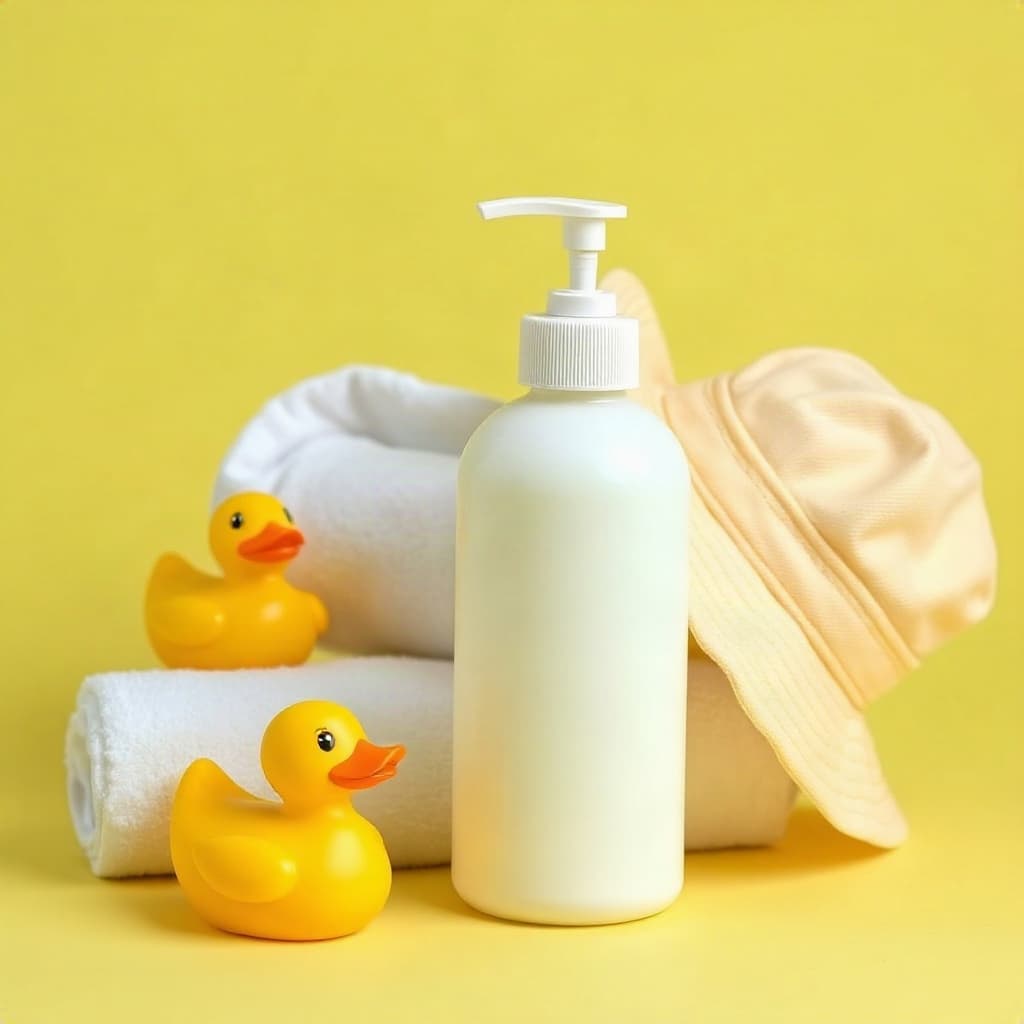
Most children need very little skincare: a mild, fragrance-free cleanser, a simple moisturizer when skin is dry, and broad-spectrum sunscreen for time outdoors. Anti-aging serums, retinol and strong exfoliating acids are made for adult concerns and can irritate young skin. If your child has a rash, eczema or acne that is not improving, ask their pediatrician or a dermatologist.
What children's skin actually needs
Kids' skin does not need anti-aging care, and it is often more easily bothered by fragrance and harsh cleansers. The goals are simple: keep it clean without stripping it, keep it comfortable, and protect it from the sun.
- Gentle cleansing. Many young children need only water on the face, with a mild, fragrance-free, soap-free cleanser for hands, feet and the body after messy or sweaty play.
- Moisturizer when skin is dry. A plain, fragrance-free cream or ointment applied after bathing, while skin is still slightly damp, helps hold water in. Thick creams and ointments usually do more for dry patches than thin lotions.
- Sun protection. Shade, hats and clothing first, then sunscreen on exposed skin.
Short, lukewarm baths or showers are kinder to skin than long hot ones. Pat dry with a towel rather than rubbing. For more on how moisturizers work and why ointments seal in water so well, see our dry skin treatment guide, and check with your pediatrician before using any medicated product on a child.
Sunscreen for kids: the step that matters most
Sun protection is the one part of children's skincare with clear long-term value. Sunburns in childhood raise the risk of skin cancer later in life, and habits started early tend to stick.
- Choose a broad-spectrum sunscreen, SPF 30 or higher, and water-resistant for swimming and sports.
- Mineral sunscreens with zinc oxide or titanium dioxide are often gentler on sensitive skin.
- Apply about 15 minutes before going outside. Reapply at least every two hours, and after swimming, sweating or toweling off.
- Do not miss the ears, the back of the neck, the tops of the feet and the part in the hair.
- Use shade, wide-brimmed hats, sunglasses and sun-protective clothing, especially in the middle of the day.
Babies under six months should be kept out of direct sun, with shade and lightweight clothing as the main protection. Pediatric guidance generally favors shade and clothing over sunscreen for this age, so ask your pediatrician about using a small amount on exposed areas when shade is not available.
Sprays are convenient but easy to underapply, and they should not be sprayed directly at a child's face. Spray into your hands and rub it in instead. Our guide to sunscreen for the face explains filters, textures and how much to use.
Why trendy skincare actives aren't for kids
Multi-step routines from social media can look fun to tweens, but they are usually built around products designed for adult skin. Many of those products contain ingredients aimed at problems children simply do not have.
- Retinol and other retinoids. These target sun damage, fine lines and acne in adults. On young skin they can cause dryness, peeling and irritation. Prescription retinoids are sometimes used for acne in teens, but only under a doctor's guidance.
- Exfoliating acids. Glycolic, lactic and other acid toners and peels can weaken the skin barrier, leading to stinging, redness and flaking, especially when layered together.
- Vitamin C serums and stacked serums. Unnecessary for kids, and every extra product adds another chance of a reaction.
- Heavy fragrance and essential oils. Common triggers for irritation and allergic contact dermatitis. Once someone develops an allergy to a fragrance ingredient, it can be long-lasting.
There is an emotional side too. A child who learns at nine or ten that their face needs fixing may carry that worry for years. Skincare can still be a pleasant, shared ritual. Let them pick a sunscreen they like the feel of or a lip balm with SPF, and keep the shelf short.
If your tween wants a routine of their own, offer them the real thing: cleanser, moisturizer, sunscreen. It covers everything their skin needs, and it is the same foundation that adults use, which tends to go down well.
A simple skincare routine for kids and tweens
Younger children
- Water or a mild cleanser at bath time.
- Fragrance-free moisturizer after bathing if skin is dry.
- Sunscreen and a hat before outdoor play.
Tweens and early teens
- Morning: rinse or gently cleanse, apply a light moisturizer if needed, then sunscreen.
- After sports: wash the face to remove sweat and sunscreen.
- Night: gentle cleanser, then moisturizer.
Puberty brings more oil and often the first breakouts. Washing twice a day with a gentle cleanser and choosing products labeled non-comedogenic or oil-free can help. Scrubbing harder does not. Over-the-counter acne treatments such as benzoyl peroxide or adapalene are widely used by teens, but check the age guidance on the label and talk to your child's pediatrician before starting one, especially for a younger child.
Teach them to keep their hands off spots. Squeezing can push inflammation deeper into the skin, which our guide to skin layers explains, and that is how marks form that last far longer than the pimple.
Parents often find this is a good moment to simplify their own shelf too. Our guide to affordable skin care shows how far the same basics can go for adults.
When to see a pediatrician or dermatologist
Skincare products cannot fix every skin problem, and some childhood rashes need a medical look. Book an appointment if you notice any of the following.
- Dry, itchy, red patches that keep coming back, which may be eczema.
- Acne that is painful or deep, leaves dark marks or scars, or does not improve after a couple of months of gentle care.
- Acne in a young child, well before the usual age of puberty.
- A rash with fever, blistering or swelling, or one that spreads quickly.
- A reaction to a new product that does not settle once you stop using it.
- A mole that changes in size, shape or color, bleeds, or looks different from your child's other moles.
Bring the products your child uses to the appointment. Seeing the labels helps the doctor spot possible triggers.
Questions people ask
At what age should kids start a skincare routine?
There is no set age. Sunscreen and gentle bath-time care matter from early childhood. A daily face routine usually makes sense once puberty brings more oil or breakouts, and even then three steps are plenty.
Can kids use adult skincare products?
Gentle, fragrance-free cleansers, plain moisturizers and sunscreens labeled for the whole family are usually fine. Skip anything marketed for anti-aging, resurfacing or brightening, and check labels for age guidance.
Do children need moisturizer every day?
Only if their skin is dry. Many kids need it mainly in winter, after swimming or on dry patches. Children with eczema often benefit from daily moisturizing, ideally on a plan agreed with their pediatrician.
Is mineral sunscreen better for kids?
Mineral sunscreens with zinc oxide or titanium dioxide tend to be well tolerated by sensitive skin, so many parents prefer them. Any broad-spectrum SPF 30 or higher that your child will wear and that you reapply properly does the job.
Liked this skincare story?
Get the next one first
One email a week: new stories and the few products worth buying.